 Prestige Awards 2025/26 Winner
Fire Door Maintenance: A 6-Monthly Checklist
 Fire Door Range team·6 min read
Fire doors deteriorate over time through normal use, accidental damage, and well-meaning but misguided alterations. BS 8214:2016, the British Standard for timber fire doors, recommends that fire doors in communal and commercial settings be inspected at least every six months. The Fire Safety (England) Regulations 2022 made quarterly checks of communal fire doors and annual checks of flat entrance doors a legal requirement in residential buildings. A structured checklist ensures nothing is missed.
The Inspection Checklist
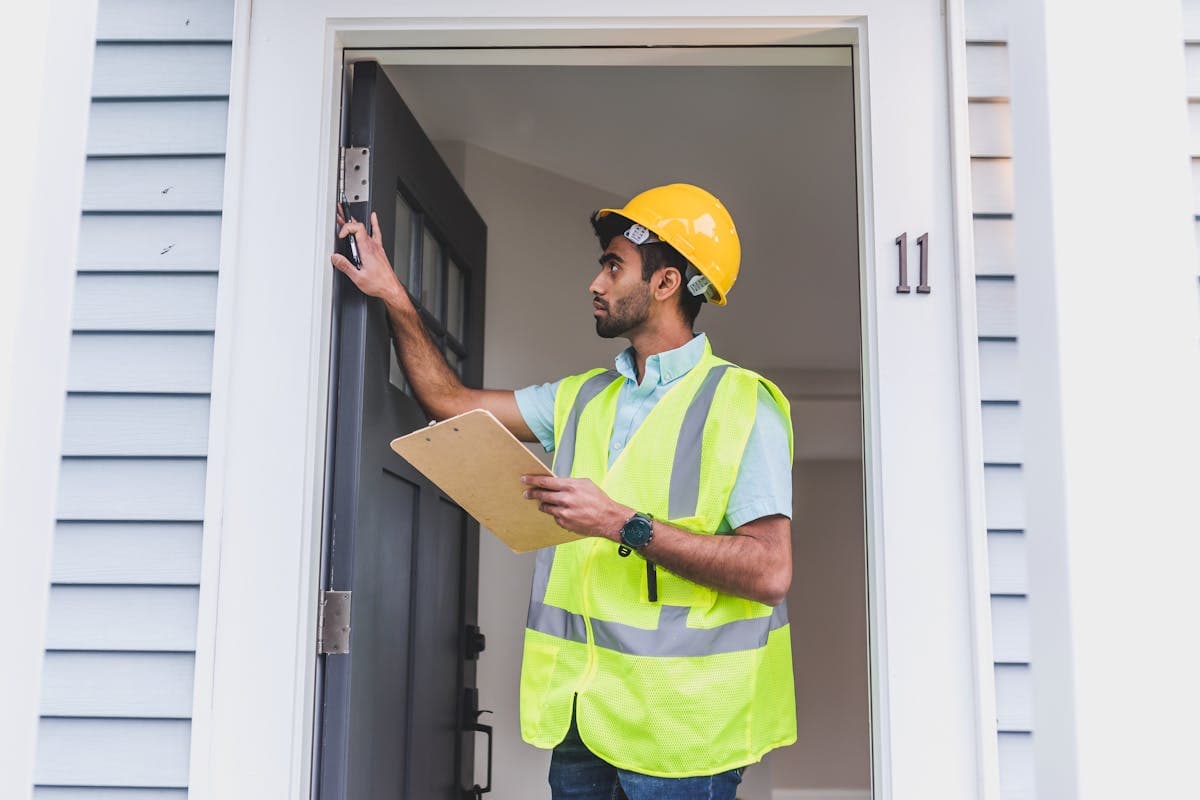
Start with a visual check of the door leaf. Look for any damage, warping, delamination, or holes. Even a small hole drilled for a now-removed sign or spy viewer can compromise fire integrity. Check both faces and all four edges. Next, examine the frame for damage, distortion, or gaps between the frame and the wall. The frame-to-wall junction should be properly fire stopped with intumescent mastic — if you can see daylight or feel a draught, the stopping has failed or was never installed.
Check the gaps between the door and frame using a gap gauge. The gaps at the head and both jambs should be between 2mm and 4mm when the door is closed. The threshold gap should not exceed 8mm (or 10mm with a drop seal). Gaps that are too large allow fire and smoke to bypass the seals; gaps that are too small cause the door to bind, which can prevent the closer from latching it shut.
Seals, Hardware, and Closers
Inspect the intumescent strips along the door edges or within the frame rebate. They should be continuous, undamaged, and free from paint contamination. If the strips are painted over thickly, they may not expand properly when exposed to heat. Smoke seals (the flexible brush or rubber strips) should be intact and making light contact when the door is closed.
Test the self-closing device by opening the door to approximately 5 degrees and releasing it. The door should swing closed and latch fully into the frame without any manual push. If the closer struggles or fails to latch the door, it needs adjusting or replacing. Check that all hinges are tight, with no screws missing, and that the door does not drop or sag. Finally, confirm that any glazing is fire-rated and that the glazing beads and seals are intact. Record your findings, note any defects, and arrange remediation promptly — a failed fire door is a failed fire strategy.
FAQ
Frequently asked questions
How often should fire doors be inspected?
The BWF Fire Door Alliance recommends fire doors are checked at least every six months, with more frequent checks (weekly or monthly) for high-traffic doors such as those in communal areas and in the first year of a newly occupied building. Separately, under the Fire Safety (England) Regulations 2022, responsible persons for residential buildings over 11 metres must check communal fire doors at least quarterly and make best endeavours to check flat entrance doors annually.
Who can carry out a fire door inspection?
Routine six-monthly checks can be done in-house by a suitably trained, competent person following a structured checklist. More detailed inspections, especially in higher-risk or higher-rise buildings, are best carried out by a qualified fire door inspector, such as one certificated under a scheme like the BWF Fire Door Alliance, Q-Mark or BM TRADA.
What is the correct gap around a fire door?
As a general guide aligned with BS 8214, the gap between the door leaf and frame around the top and sides should be consistent and typically 2 to 4mm (3mm is the common target). The threshold gap is usually 8 to 10mm where no threshold seal is fitted, but on smoke-rated doors (FD30S/FD60S) it must be controlled by a seal so smoke cannot pass underneath.
How do I know if a door is a genuine certified fire door?
Look for third-party certification evidence such as a label on the top or hanging edge of the leaf, or a colour-coded plug on the hinge edge, from schemes like Certifire, BM TRADA Q-Mark, IFC or LPCB. The certification only holds if the door, frame, glazing and ironmongery are the tested combination and have been installed and maintained per the manufacturer's instructions.
What should I do if a six-monthly check finds a fault?
Record the defect and arrange repair or replacement by a competent contractor as soon as reasonably practicable, because the Regulatory Reform (Fire Safety) Order 2005 requires fire doors to be kept properly maintained. Never use generic parts; replacement components such as hinges, closers, seals and glazing must match the door's original certification to keep its fire rating valid.
Related products
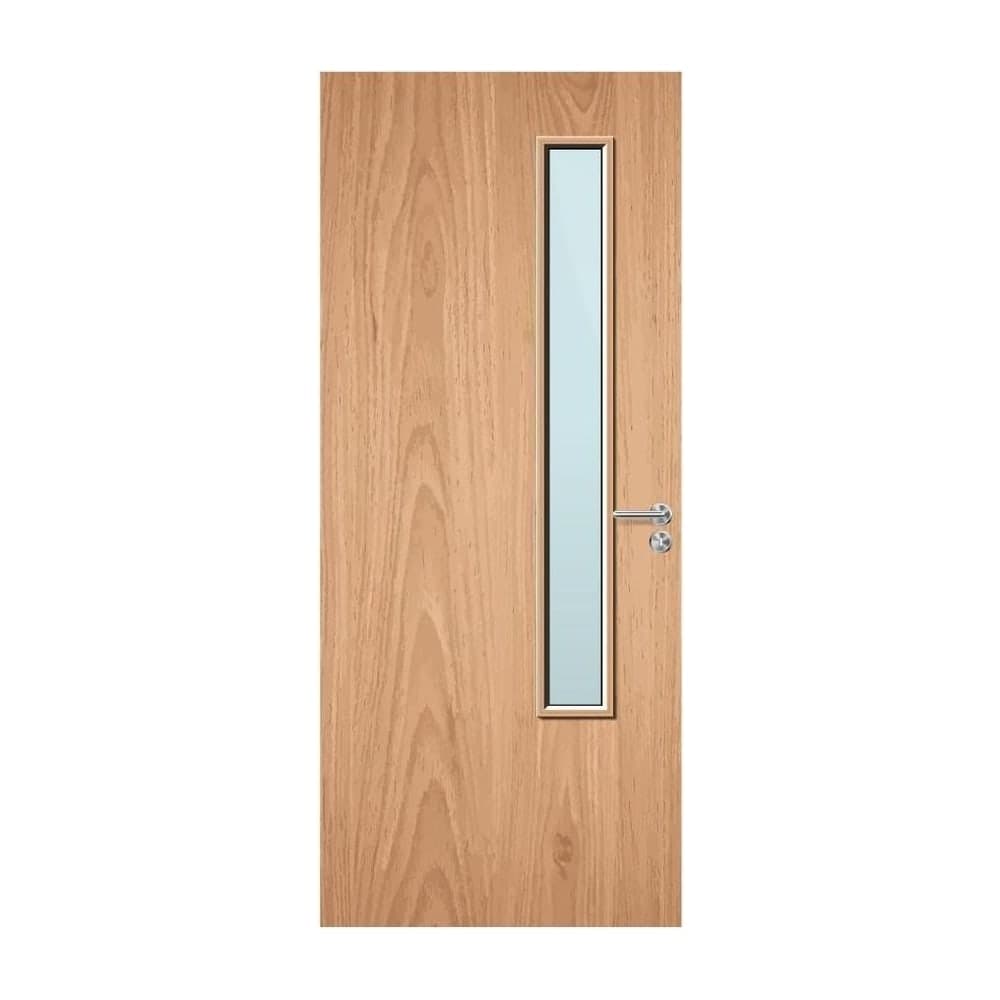
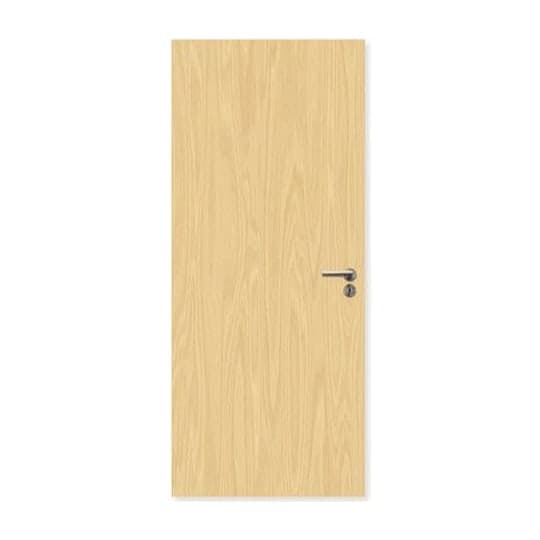
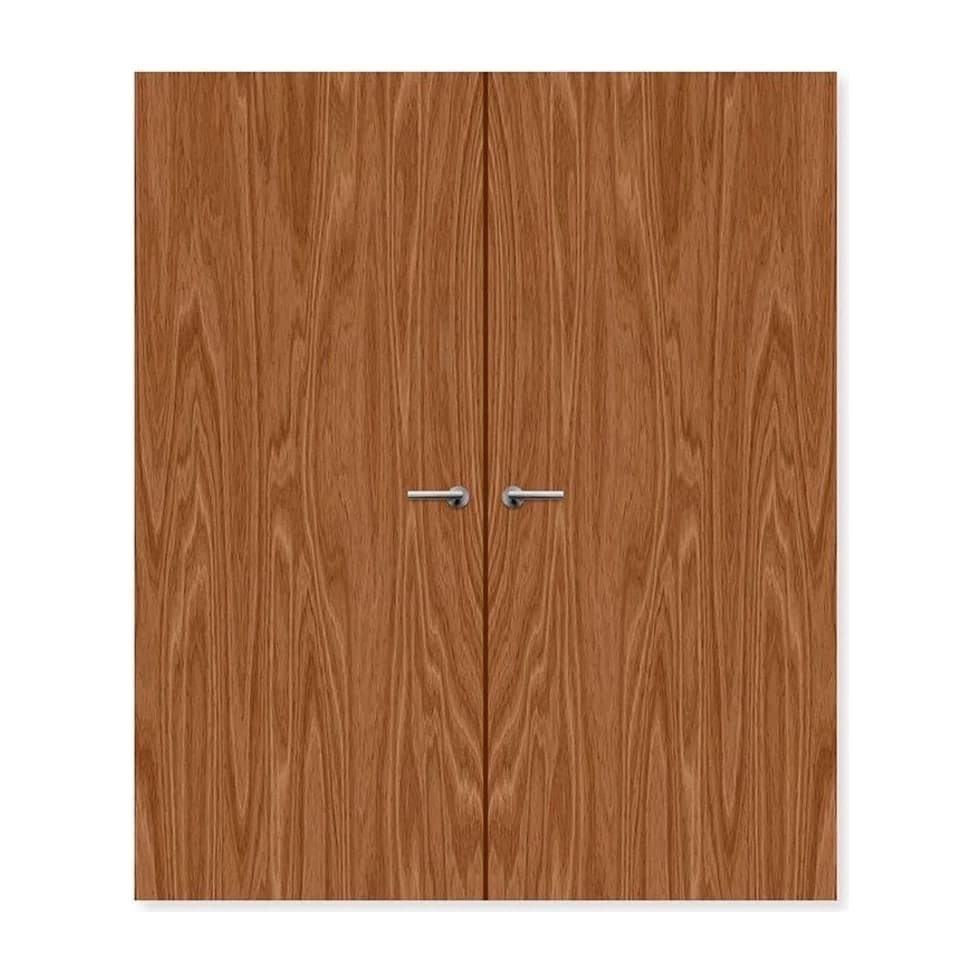
Fire doors for this job
Read next

About the author
Fire Door Range team
We supply certified FD30 and FD60 fire doors to landlords, contractors and housing providers across the UK. Every door is third-party tested to BS 476 Part 22 and BS EN 1634-1 with full Declarations of Performance, and our sister company C&C Fire Prevention Ltd handles FIRAS / BM TRADA certified installation. We write about the standards, regulations and practical decisions that shape day-to-day fire door specification — to help you get the right doors, fitted correctly, first time.
Looking for Fire Doors?
Browse our certified range of FD30 and FD60 fire doors.