Start typing to search fire doors...
Fire safety guidance, regulations, and product insights for contractors and property managers
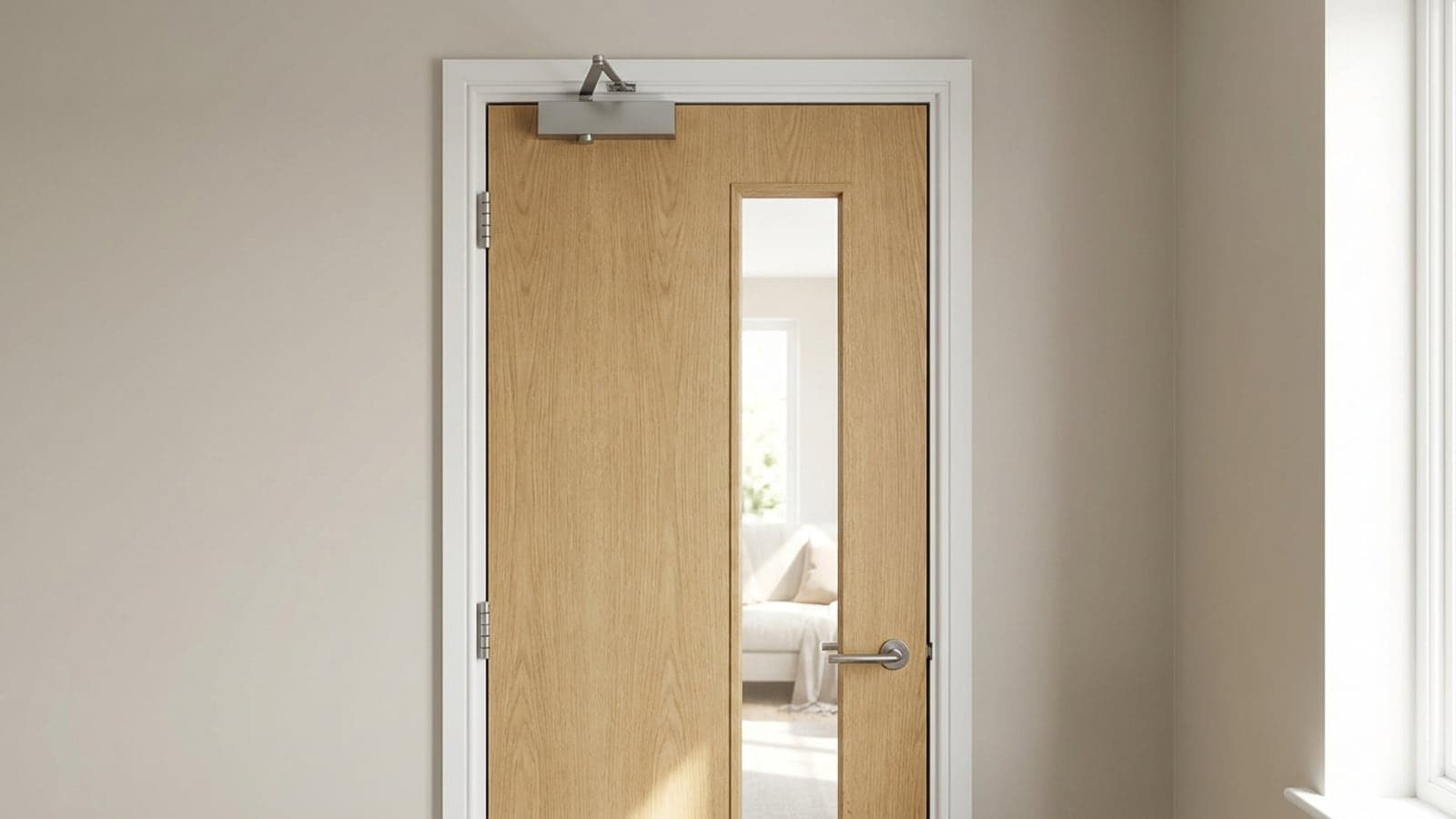
Fire doors are a critical component of any building's fire safety strategy, yet they are among the most commonly neglected. This article examines the most frequent fire door defects found during inspections and how to address them.
Passive fire protection works silently in the background, containing fire and smoke to give occupants time to escape. Fire doors are the most visible — and most interactive — element of this system.
Retail environments present unique fire safety challenges: high footfall, stored stock, electrical equipment, and complex layouts. Fire doors are essential to protecting both customers and property.
FD60 fire doors cost more upfront but provide double the fire resistance of FD30 alternatives. For external applications, the additional protection can be well worth the investment.
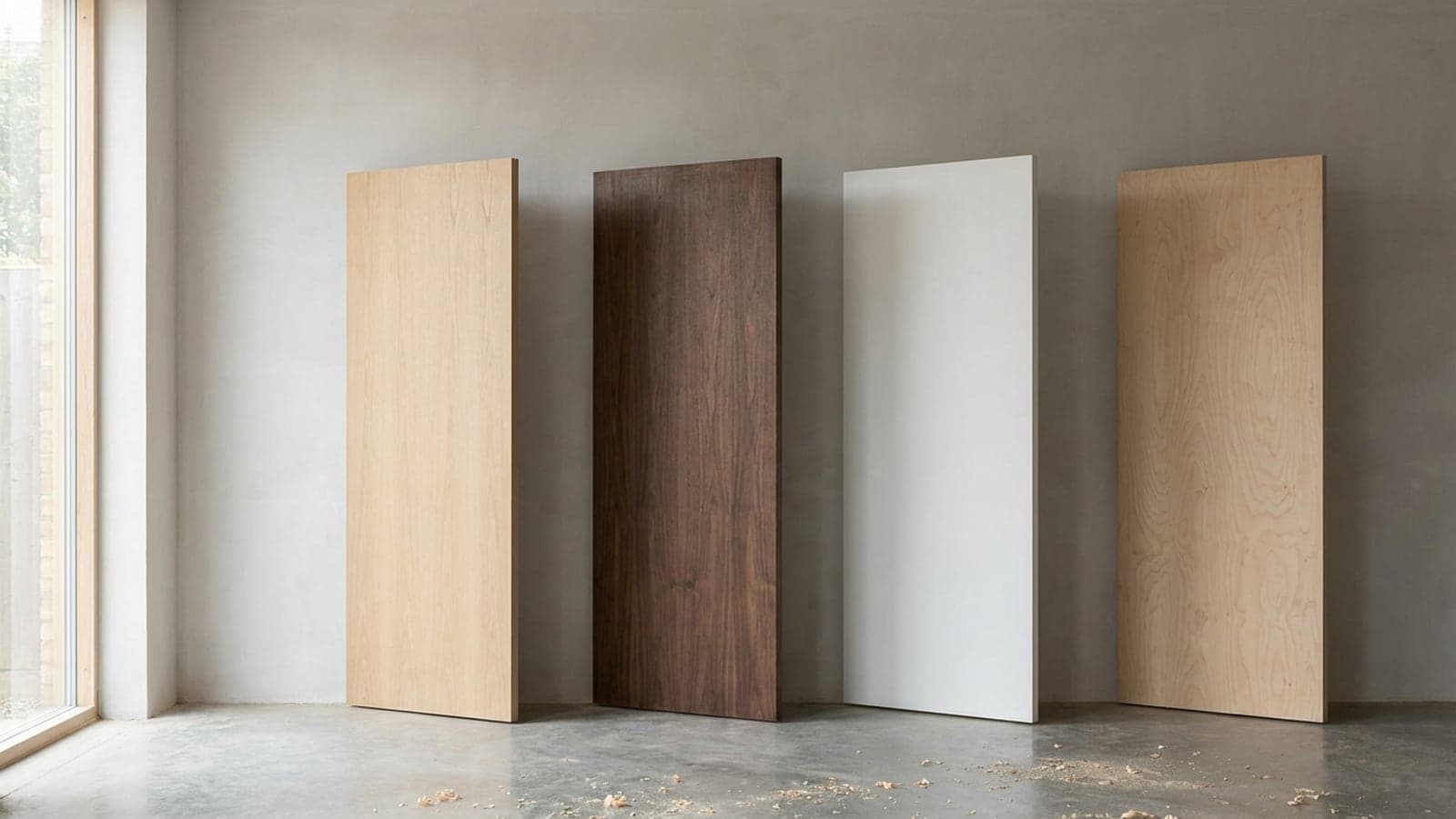
Oak, ash, sapele, walnut, or paint grade plywood? The material you choose affects appearance, durability, cost, and maintenance. Here is a guide to selecting the right fire door material.
The Building Safety Act 2022 introduced the most significant changes to fire safety regulation in a generation. Here is what changed for fire doors, who is affected, and what you need to do.
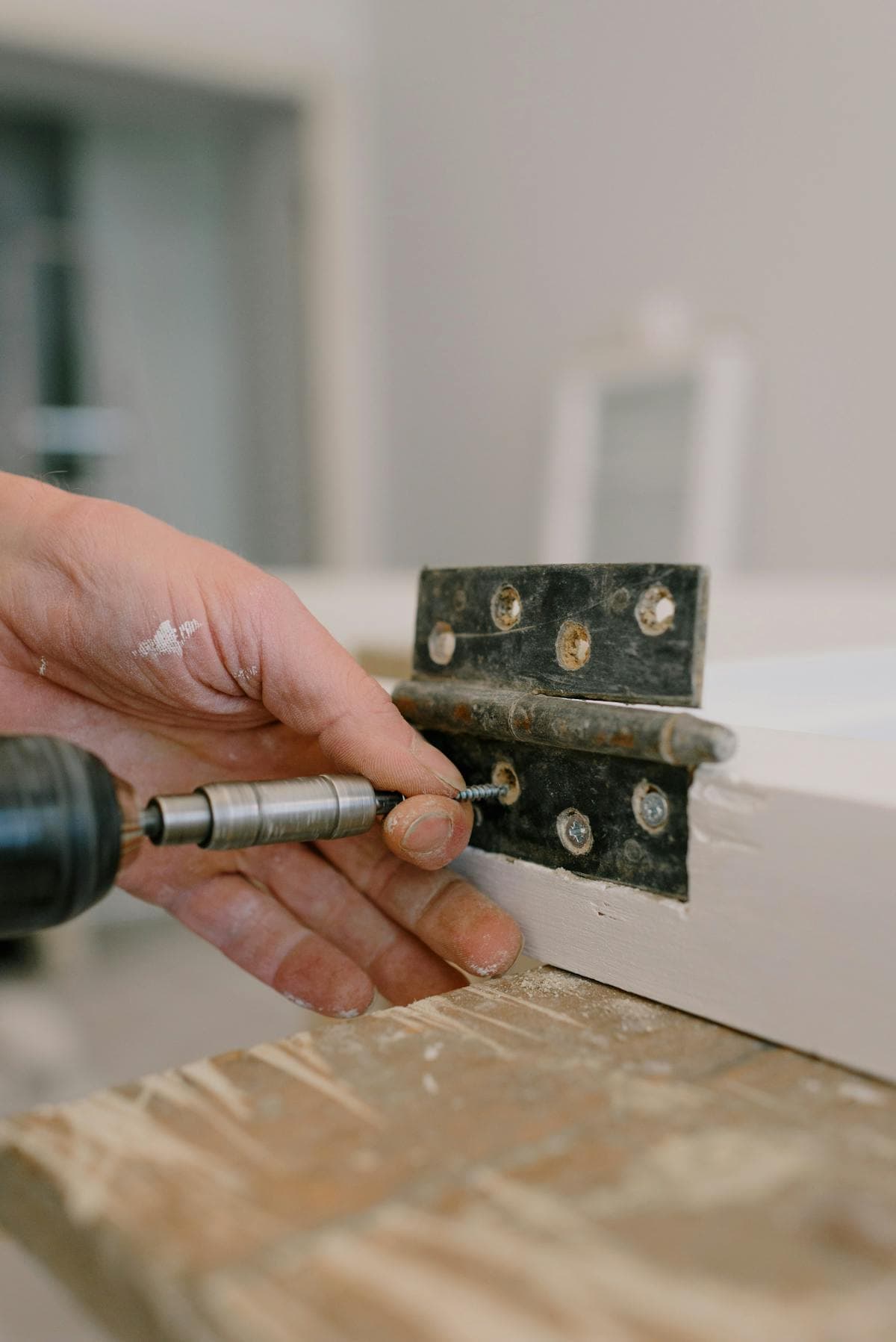
A fire door is only as good as its installation. This step-by-step guide covers gap requirements, hinge positioning, seal fitting, and the common mistakes that compromise fire performance.
Glazed fire doors let natural light flow through a building without compromising fire compartmentation. Learn about glass types, rating requirements, and where to specify them.
Not every opening fits a standard door size. Made-to-measure fire doors solve the problem, but the ordering process requires accurate measurements and an understanding of lead times.
Should you specify paint grade plywood or a natural timber veneer for your fire doors? The answer depends on budget, aesthetics, maintenance, and the environment the door will live in.
Every component fitted to a fire door must be fire-rated and tested as part of the assembly. This guide covers hinges, closers, locks, handles, and the certification standards you need to know.
Houses in Multiple Occupation face some of the strictest fire safety requirements in UK housing. Here is what landlords need to know about fire doors in HMOs.
Intumescent strips and smoke seals are the hidden components that make fire doors work. This guide explains how they function, how to fit them, and when to replace them.
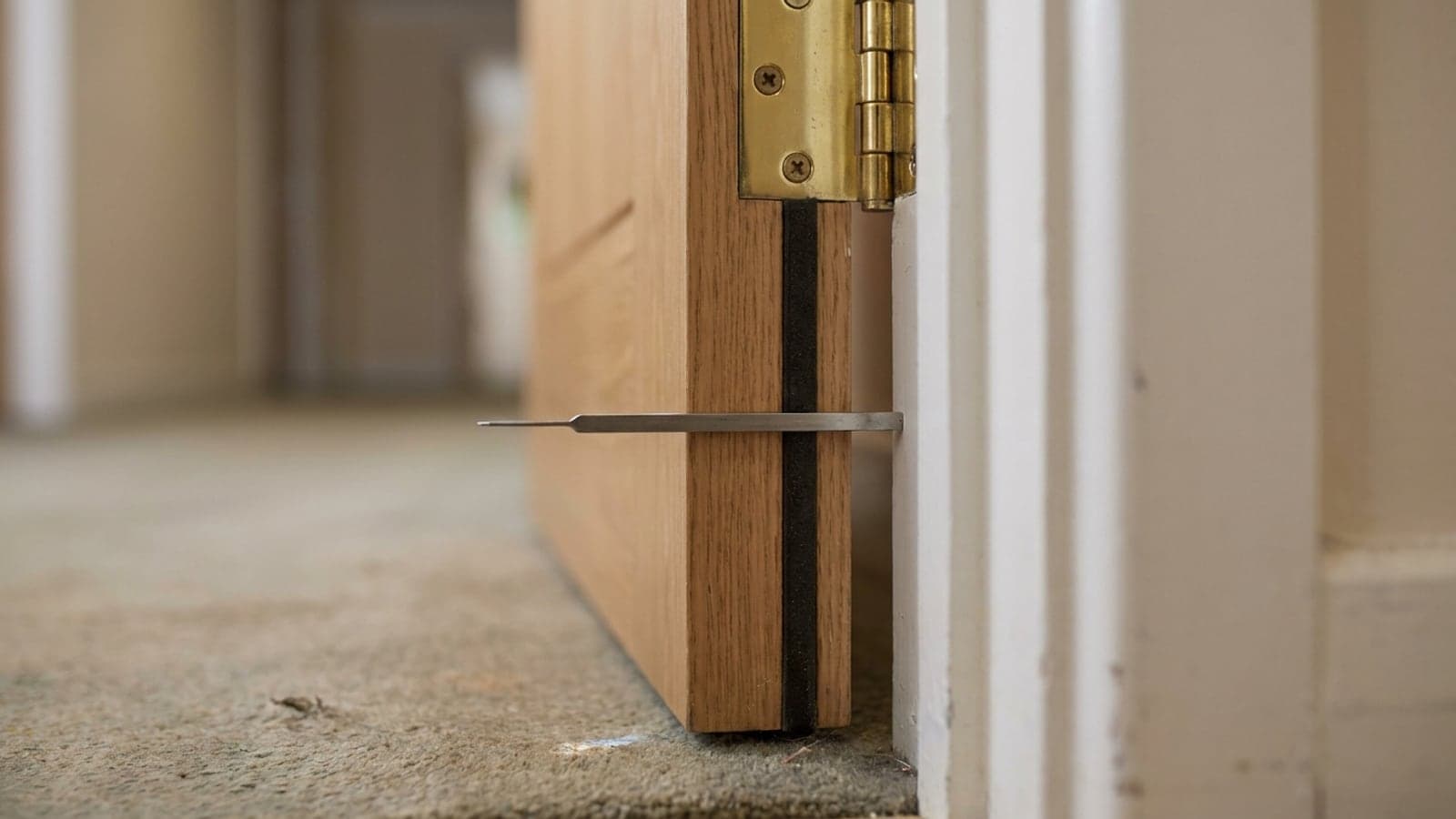
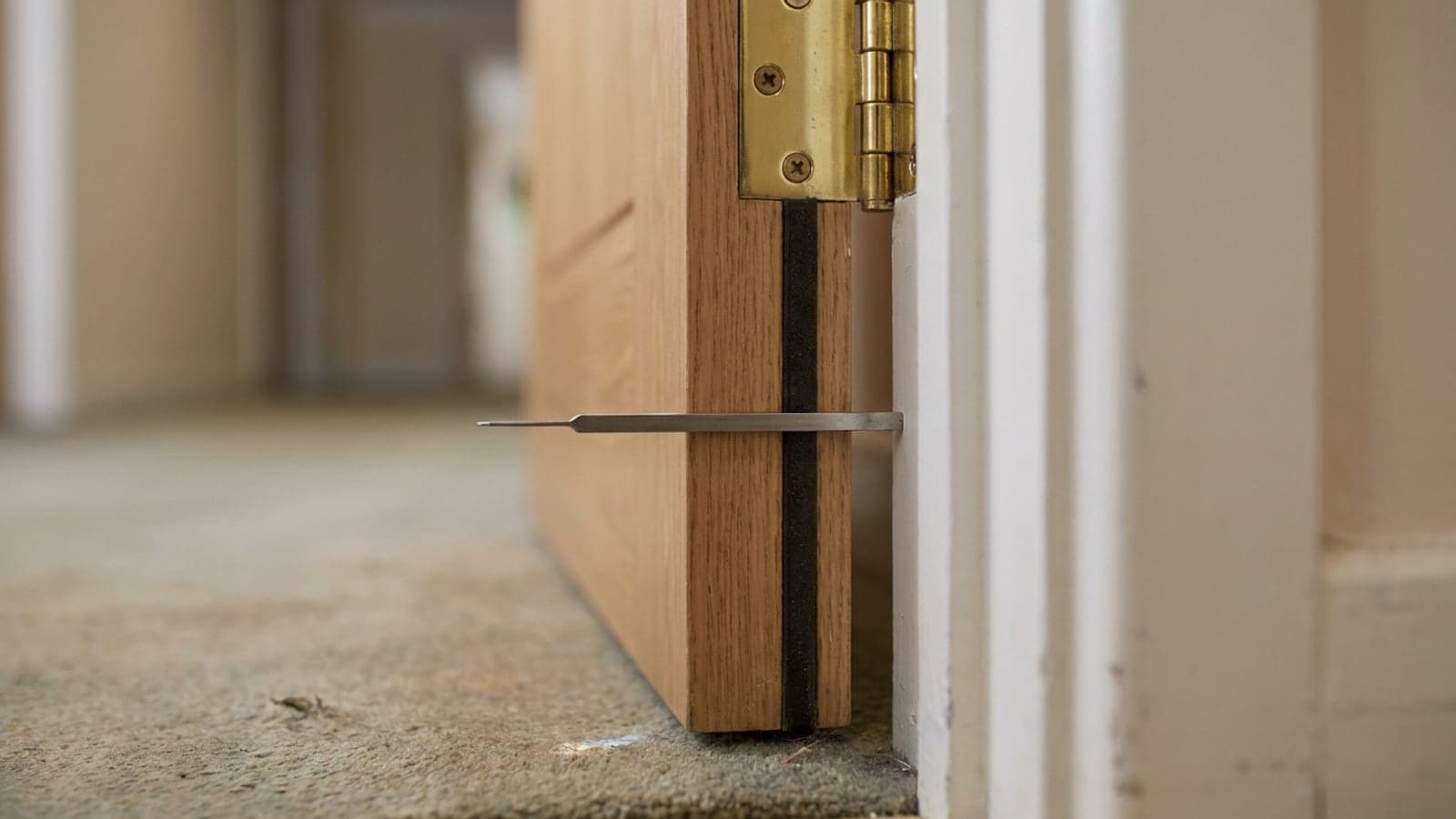
The gaps around a fire door are one of the most common reasons for inspection failures. This guide covers the tolerances, how to measure correctly, and what to do when gaps are wrong.
Getting fire doors right in new build flats is critical for building control sign-off and long-term safety. This guide covers building regs, compartmentation, and door specifications.
FD30 or FD60 — which fire door rating does your project actually need? This practical guide walks through the UK Building Regulations, when each rating applies, and how to decide on the borderline cases.
Certifire, BM TRADA Q-Mark, the BWF Fire Door Alliance (formerly BWF-Certifire) and IFC — a plain-English guide to which fire door certification schemes actually matter, how Certifire and Q-Mark compare, what the schemes prove, and how to verify a door is genuinely certified.
Fire door pricing in the UK is opaque and varies wildly. This 2026 price guide walks through what actually drives the cost of a fire door and the hidden extras most buyers forget to budget for.
How flat entrance door requirements have changed since Grenfell — what the Fire Safety Act 2021 and Fire Safety (England) Regulations 2022 now demand, and what responsible persons have to do about it.
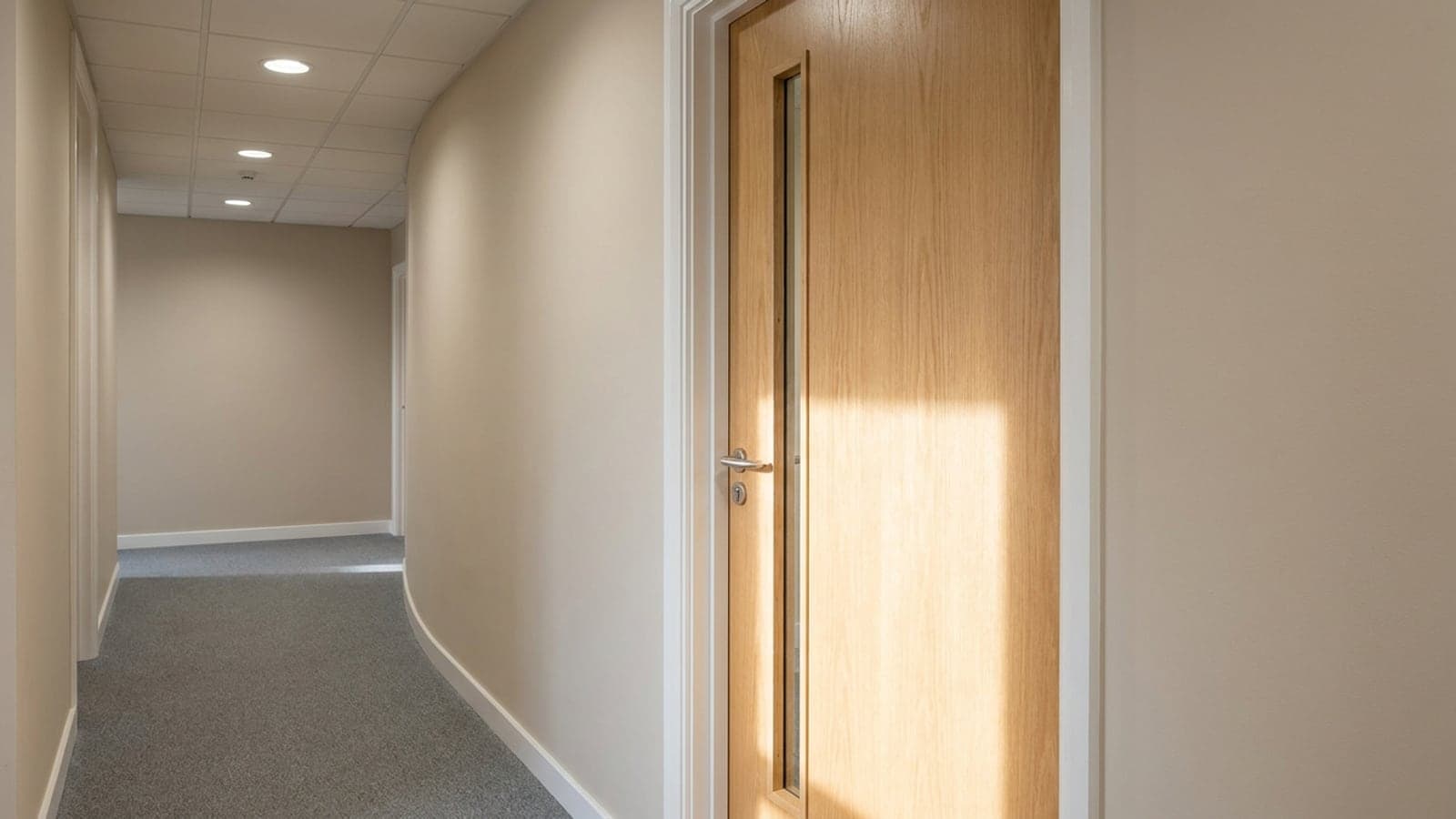
Vision panels in fire doors are perfectly compatible with fire performance when specified correctly. A guide to the rules, the sizes, the glass types, and how to order them without voiding the certification.
Fire door signs are a legal requirement under the Fire Safety Order and one of the most common findings on risk assessments. A guide to exactly which signs UK commercial premises need and where to put them.
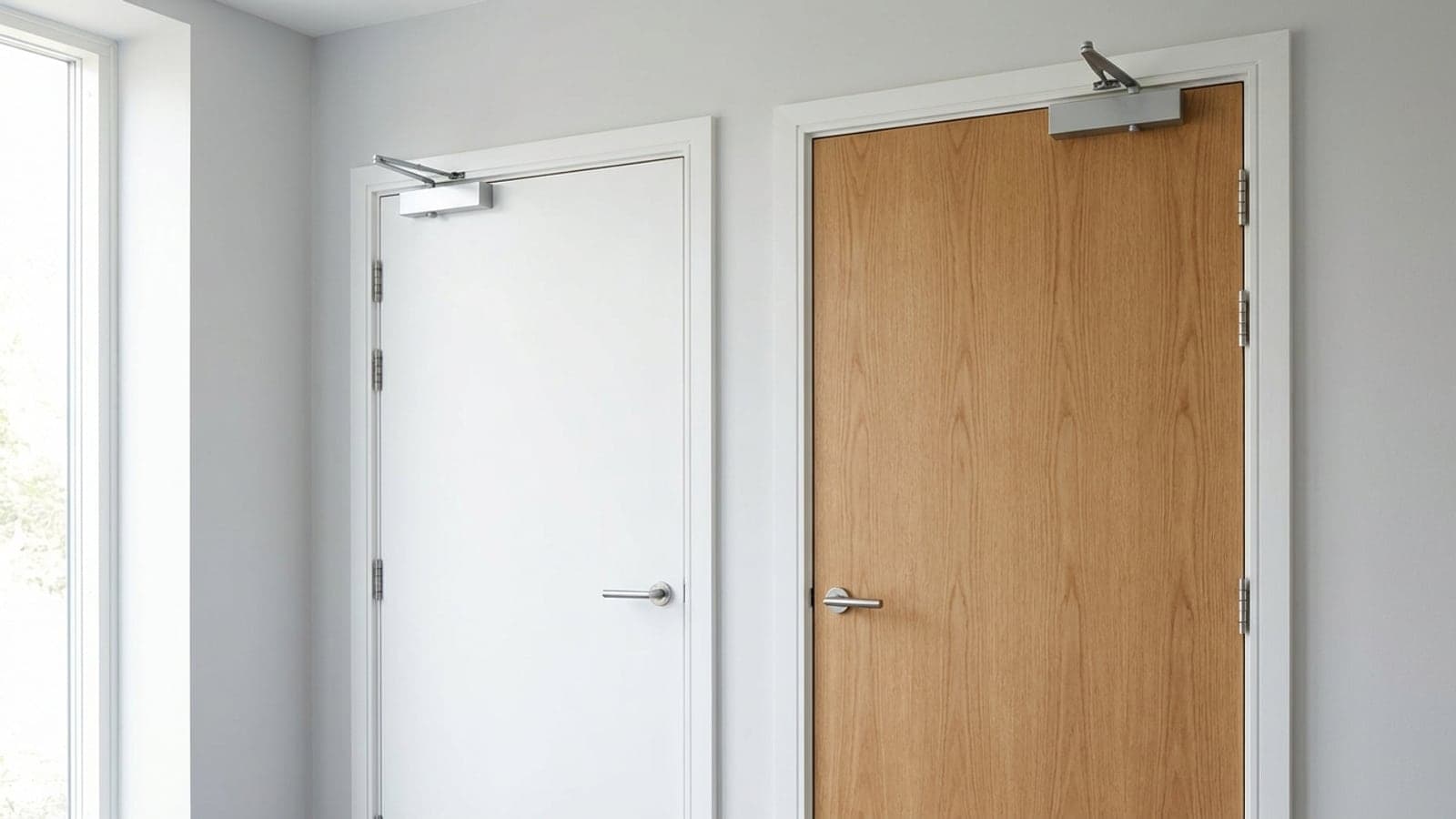
A fire door that cannot close itself is not a fire door. A guide to BS EN 1154, the four closer types, how to match the device to the door, and the common failings that appear in service.
Why are some fire doors 44mm thick and others 54mm? A plain-English guide to fire door leaf thickness, how it relates to FD30 and FD60 ratings, and why thickness alone never makes a door fire-rated.
BM TRADA Q-Mark is one of the UK's leading fire door certification schemes. What does the Q-Mark actually certify, how does it differ from Certifire, what should a BM TRADA fire door checklist cover, and how do you check a Q-Mark door is genuine?
A practical fire door inspection checklist — the BWF 5-Step Check anyone can carry out, the full point-by-point survey to BS 8214, how often inspections are legally required, and who is allowed to sign one off.
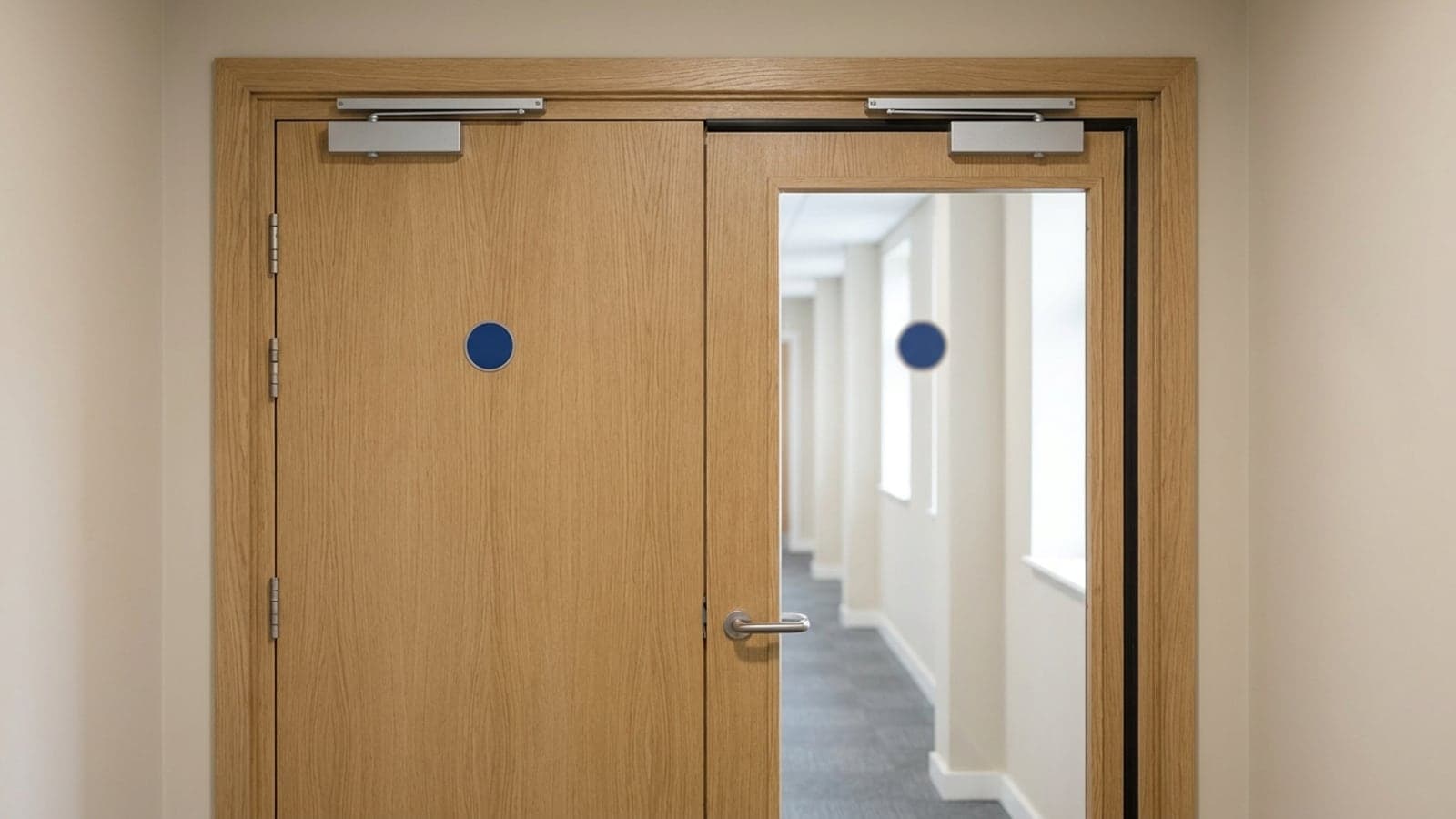
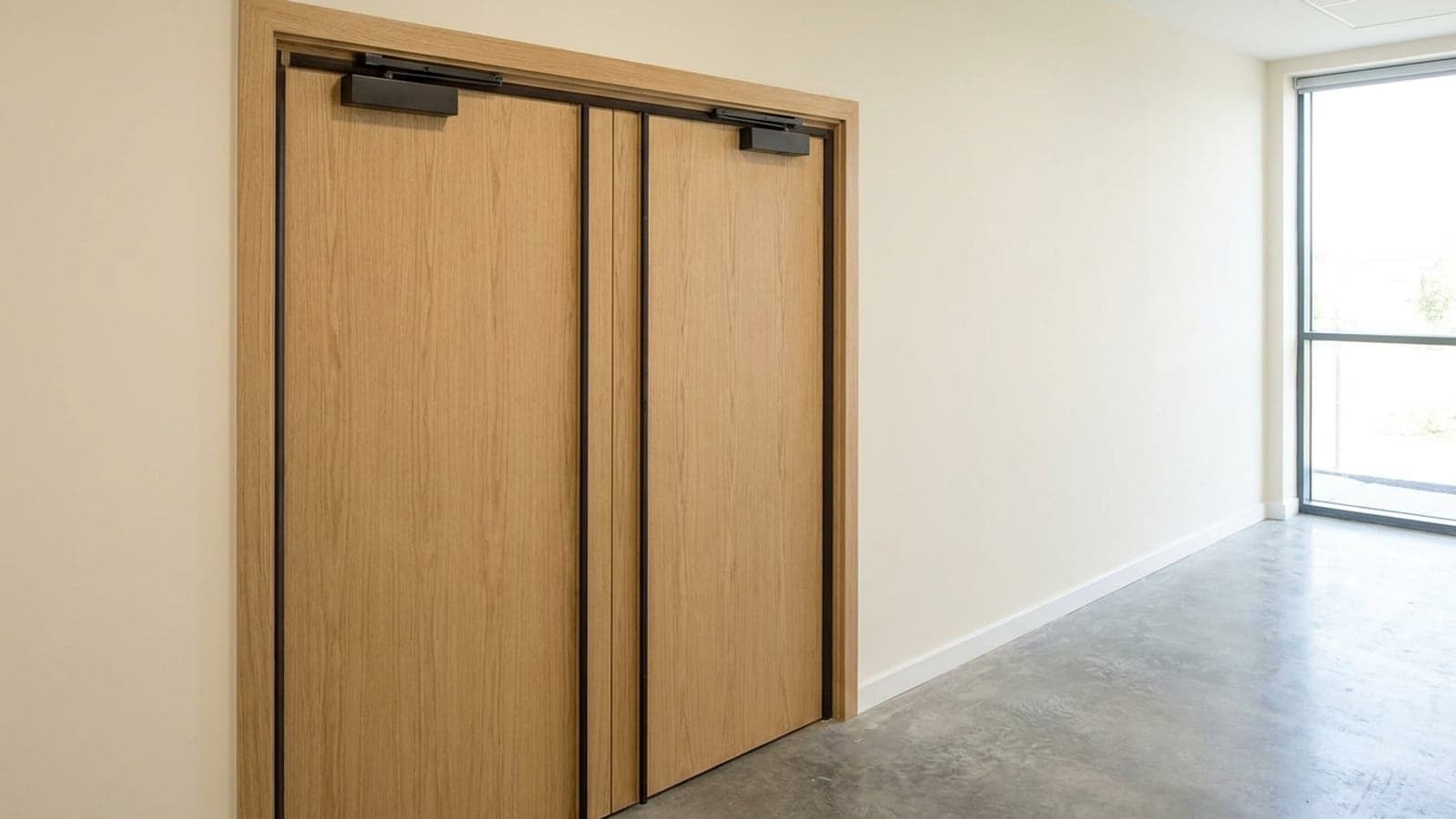
When do the regulations require double fire doors, what rating do they need, and what makes a certified pair different from two single doors? A guide to double and leaf-and-a-half fire doorset compliance.
Who is the "responsible person" for fire doors, and what does the law actually require them to do? A plain-English guide to fire door duties under the Fire Safety Order, the 2022 Regulations and the Building Safety Act.
Certifire is the UK's most widely specified third-party fire door certification scheme. What does a Certifire certificate actually cover, how does BWF-Certifire fit in, and how do you check a CF number is genuine?
A fire door is only as good as the frame it hangs in. What an FD30 door frame must be made of, how FD60 frames differ, when a lining is acceptable, whether you can keep an existing frame — and how to fit one without voiding certification.
 Prestige Awards 2025/26 Winner