 Prestige Awards 2025/26 Winner
Intumescent Strips and Smoke Seals Explained
 Fire Door Range team·7 min read
Every fire door relies on two types of seal to achieve its rated performance: intumescent strips and smoke seals. Despite being among the most important components of a fire door assembly, they are also among the most frequently damaged, poorly fitted, or overlooked during maintenance. Understanding how each type works, where they should be positioned, and when they need replacing is essential for anyone responsible for fire door compliance.
How Intumescent Strips Work
Intumescent strips are typically made from sodium silicate or graphite-based compounds enclosed in a rigid PVC or foil casing. They are fitted into grooves routed into the door edge, the frame rebate, or both, depending on the manufacturer's test evidence. Under normal conditions, the strips sit dormant and are barely visible. When exposed to temperatures of approximately 200 degrees Celsius, the intumescent material expands rapidly — up to 20 times its original volume — filling the gaps between the door and frame and creating a char barrier that blocks the passage of flames and hot gases.
The expansion process is irreversible and typically occurs within the first few minutes of fire exposure. This is critical because the gaps around a fire door — necessary for the door to open and close — are the weakest point in the assembly. Without intumescent strips, fire would quickly penetrate these gaps and spread to the other side of the door, regardless of how fire-resistant the door leaf itself is.
How Smoke Seals Work
Smoke seals serve a different but equally important purpose. They prevent cold smoke — smoke at temperatures below the activation point of the intumescent strips — from passing through the door gaps. Cold smoke is responsible for the majority of fire-related deaths, often incapacitating or killing occupants long before the fire itself reaches them. Smoke seals are typically flexible brush strips or rubber/silicone blades that compress against the door or frame when the door is closed, creating a physical barrier against smoke passage.
In many specifications, particularly FD30S and FD60S doors (the "S" denotes smoke seals), the intumescent strip and smoke seal are combined into a single unit. The intumescent core is surrounded by a flexible fin or brush that provides the smoke seal function. These combined strips are fitted into a single groove and provide both smoke and fire protection from a single component.
Fitting and Replacement
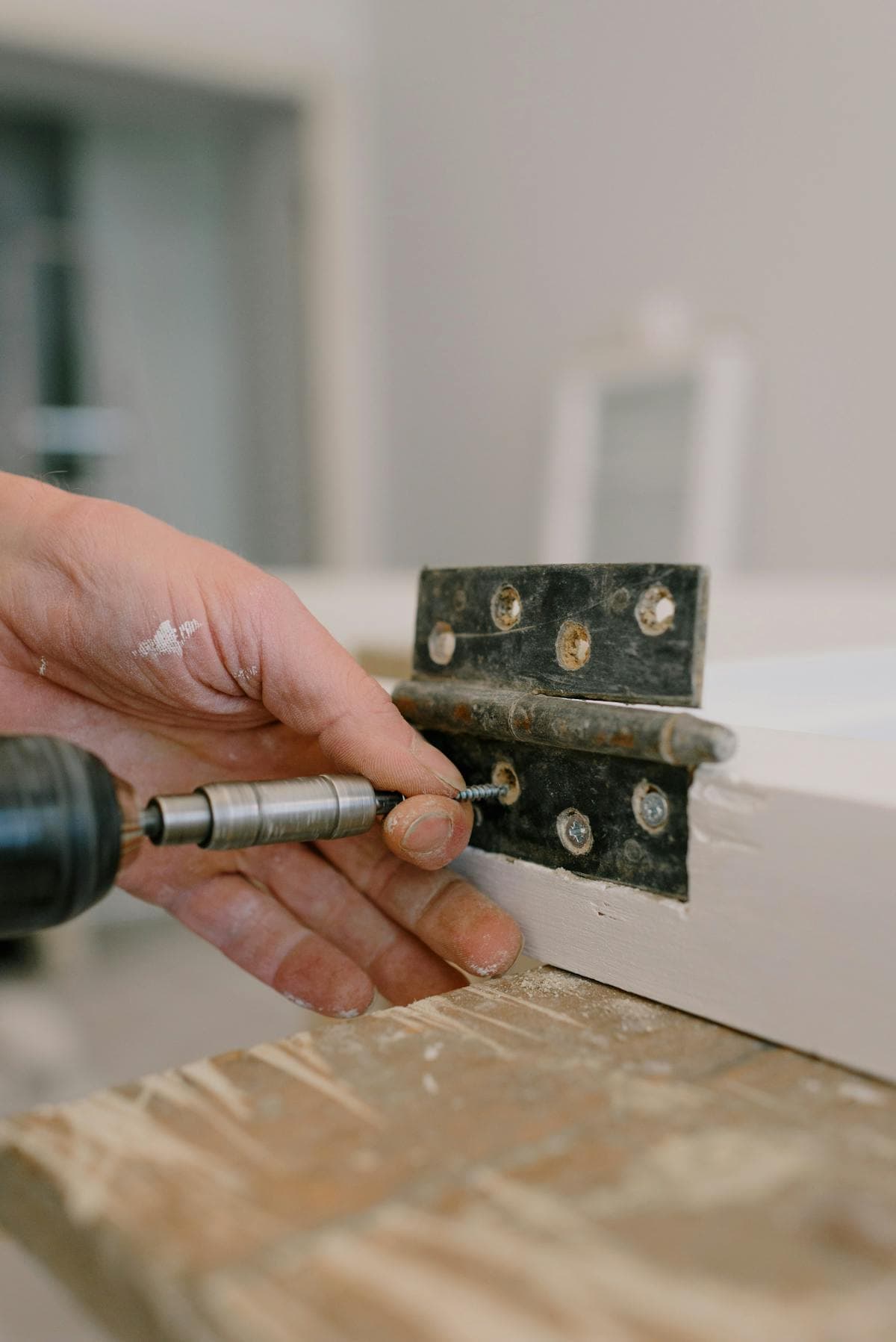
Intumescent strips are fitted into routed grooves, typically 15mm x 4mm for standard strips or 25mm x 4mm for larger specifications required by FD60 doors. The groove should be positioned centrally in the door edge or frame rebate, approximately 3-5mm back from the face of the stop. The strip must run continuously along the full length of the head and both jambs — any break in the strip is a potential failure point. On the threshold edge, intumescent strips are not usually fitted, as the bottom of the door is protected by the threshold gap tolerance and, where specified, a drop seal.
Replacement intervals depend on the condition of the seals. There is no fixed lifespan, but as a rule of thumb, intumescent strips should be replaced if they show signs of cracking, crumbling, paint contamination (which can prevent expansion), or physical damage. Smoke seals should be replaced if the brush fibres are matted or bent, if the rubber blade is split or hardened, or if the seal no longer makes contact with the opposing surface when the door is closed. During six-monthly inspections, run your finger along the full length of each seal — any defect you can feel is a defect that needs attention.
Related products
Fire doors for this job
Read next

About the author
Fire Door Range team
We supply certified FD30 and FD60 fire doors to landlords, contractors and housing providers across the UK. Every door is third-party tested to BS 476 Part 22 and BS EN 1634-1 with full Declarations of Performance, and our sister company C&C Fire Prevention Ltd handles FIRAS / BM TRADA certified installation. We write about the standards, regulations and practical decisions that shape day-to-day fire door specification — to help you get the right doors, fitted correctly, first time.
Looking for Fire Doors?
Browse our certified range of FD30 and FD60 fire doors.