 Prestige Awards 2025/26 Winner
Key Fire Door Issues and Solutions
 Fire Door Range team·5 min read
Fire doors are one of the most important passive fire protection measures in any building, yet surveys consistently reveal that a significant proportion fail to meet the required standard. Common issues include damaged or missing intumescent strips, incorrect gaps between the door and frame, broken or absent self-closing devices, and the use of non-fire-rated hardware. Each of these defects can compromise the door's ability to contain fire and smoke, potentially turning a 30-minute barrier into one that fails within minutes.
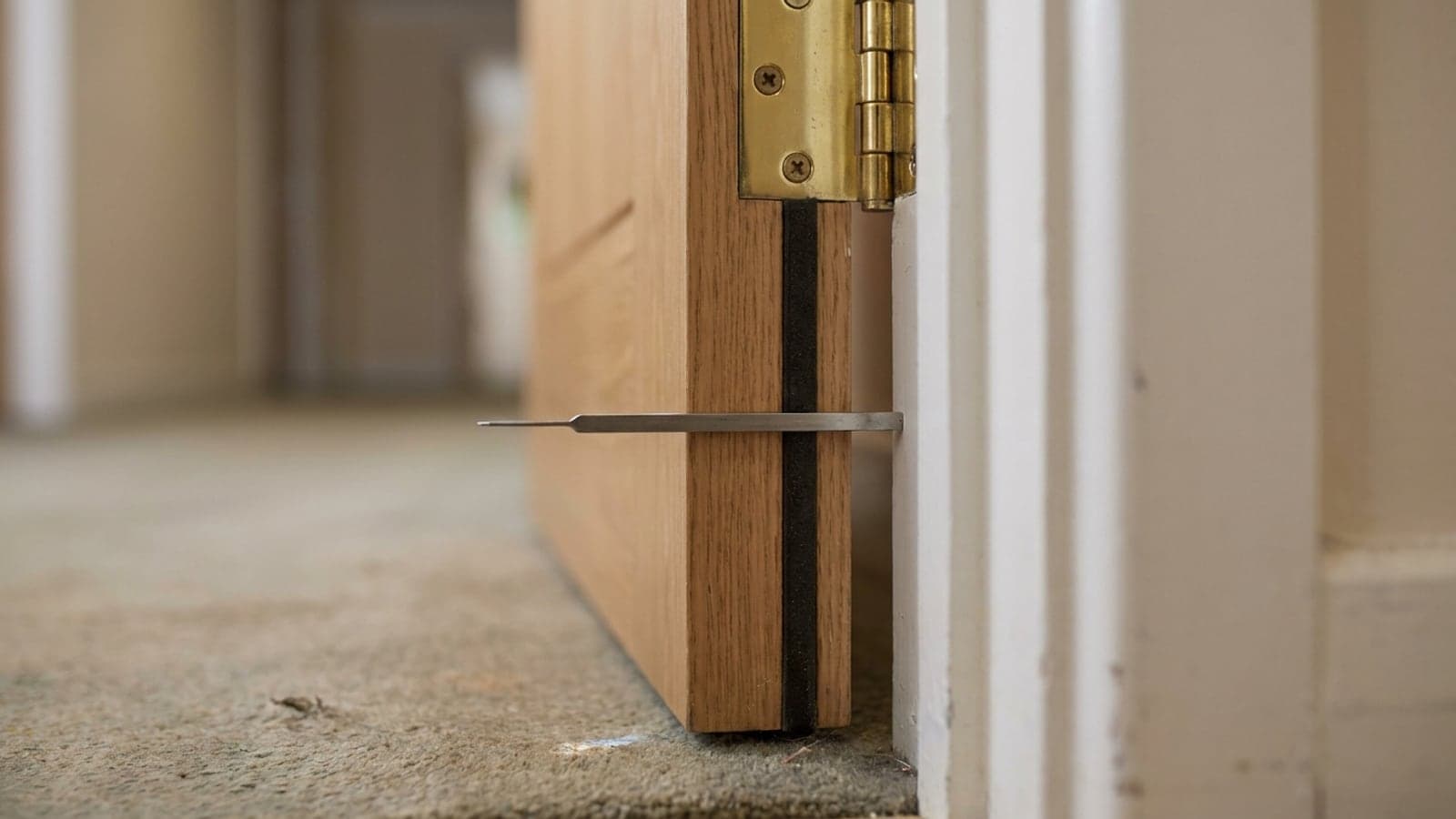
The solutions are often straightforward but require diligence. Intumescent strips and smoke seals should be inspected regularly and replaced if they show signs of damage or paint contamination. Door gaps should be checked against the manufacturer's specification — typically 2-4mm around the head and jambs. Self-closing devices must be tested to ensure the door latches fully into the frame without manual assistance. Where hardware has been replaced, it is essential to verify that hinges, locks, and handles are fire-rated and compatible with the door's certification.
Building owners and facilities managers should implement a routine fire door inspection programme, ideally every six months, in line with the guidance in BS 8214. The Regulatory Reform (Fire Safety) Order 2005 places a legal duty on the Responsible Person to maintain fire doors in proper working order. Failure to do so can result in enforcement action, and in the worst case, criminal prosecution following a fire.
FAQ
Frequently asked questions
What is the correct gap around a fire door, and why does it matter?
To BS 8214:2016, the gap at the top and along the vertical edges should typically be 3mm (acceptable range 2-4mm), while the threshold gap is usually no more than around 10mm, reducing to about 3mm where smoke resistance is required (FD30S/FD60S). Excessive gaps stop the intumescent seals from bridging the gap when they expand, so fire and smoke can pass before the door has done its job. Always check the door manufacturer's certified installation instructions, as these take precedence over general guidance.
How often must landlords check fire doors under the Fire Safety (England) Regulations 2022?
In multi-occupied residential buildings over 11 metres in height, the responsible person must check communal fire doors at least every three months and use best endeavours to check every flat entrance door at least every 12 months. Any door found to need repair or replacement must be addressed by a competent person as soon as reasonably practicable.
Can you trim or plane a fire door to fix sticking or large gaps?
Only within the limits stated in the manufacturer's certification, which never permits trimming the top edge and usually allows only a few millimetres from the sides and bottom. Cutting beyond those tolerances can expose the core, reduce fire integrity and void the door's certification, so verify the permitted amount with the manufacturer before altering anything.
Are damaged or painted-over intumescent strips and smoke seals still compliant?
No. Intumescent strips must be free to expand in a fire, and the brush or fin smoke seals on FD30S/FD60S doors must be unobstructed to block cold smoke, so paint, filler or physical damage renders them ineffective and means the door no longer performs as tested. Damaged or painted seals should be replaced like-for-like with the correct certified type.
How do I confirm a fire door is genuinely certified to FD30 or FD60?
Look for a third-party certification label or colour-coded plug, usually on the top or hinge edge, carrying the manufacturer's details, fire rating and a traceable certification or serial number under a scheme such as Certifire, BM TRADA Q-Mark or IFC. The label should never be removed, and you should retain the supporting test evidence (BS 476-22 or BS EN 1634-1) to demonstrate the doorset matches its certified specification.
How many hinges does a fire door need, and what standard should they meet?
FD30 and FD60 fire doors are typically hung on three hinges certified to BS EN 1935, commonly Grade 13 for heavier or high-use leaves, fitted with intumescent hinge pads where the certification requires them. Using fewer hinges or non-certified hardware can compromise the doorset and fall outside the tested assembly.
Related products
Fire doors for this job
Read next
About the author
Fire Door Range team
We supply certified FD30 and FD60 fire doors to landlords, contractors and housing providers across the UK. Every door is third-party tested to BS 476 Part 22 and BS EN 1634-1 with full Declarations of Performance, and our sister company C&C Fire Prevention Ltd handles FIRAS / BM TRADA certified installation. We write about the standards, regulations and practical decisions that shape day-to-day fire door specification — to help you get the right doors, fitted correctly, first time.
Looking for Fire Doors?
Browse our certified range of FD30 and FD60 fire doors.