 Prestige Awards 2025/26 Winner
How Much Should Fire Doors Cost? A 2026 UK Price Guide
 Fire Door Range team·9 min read
Fire door pricing is genuinely confusing, and not by accident. Ask three suppliers for a quote on what sounds like the same door and you can easily see the numbers swing by hundreds of pounds per leaf, with each breakdown structured differently enough that a like-for-like comparison becomes almost impossible. The variables are real — fire rating, core construction, finish, glazing, frame, ironmongery — but opacity around hidden costs like delivery, VAT and installation makes budgeting even harder for contractors pricing up jobs, landlords working out refurbishment figures, and facilities managers trying to get sign-off from finance. Before you browse our fire door collections, it helps to understand what actually sits behind the headline price, because the cheapest line on a quote is rarely the cheapest door once it's hanging in the frame.
What drives the price of a fire door
The single biggest driver is the fire rating. An FD30 door is built to resist fire for 30 minutes under test to BS 476 Part 22 or BS EN 1634-1, while an FD60 doubles that to 60 minutes and requires a denser, heavier core, more intumescent protection and usually a more substantial frame. That extra mass and engineering feeds straight through to the price, which is why FD60 leaves typically land thirty to fifty percent above their FD30 equivalents. Size matters almost as much: standard stock sizes like 762 x 1981mm or 838 x 1981mm are produced in volume and priced accordingly, whereas anything outside that envelope pushes you into made-to-measure fire doors where the leaf is built to your opening and carries a bespoke premium.
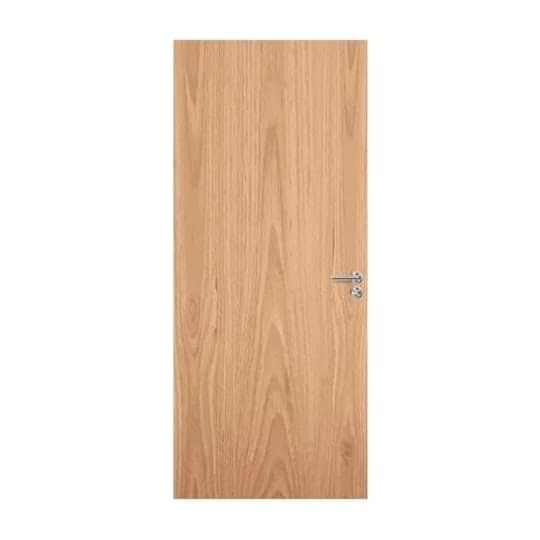
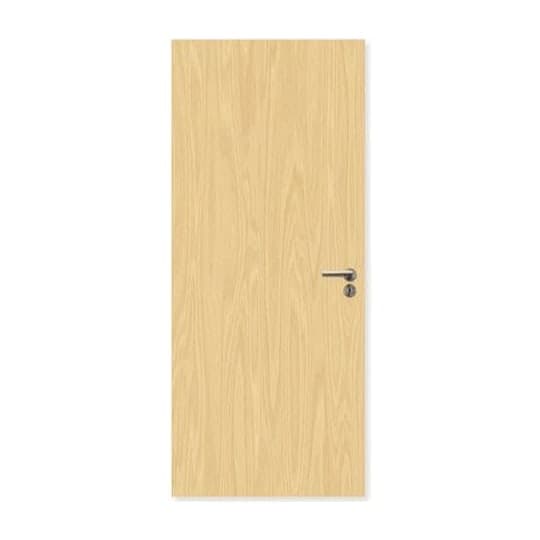
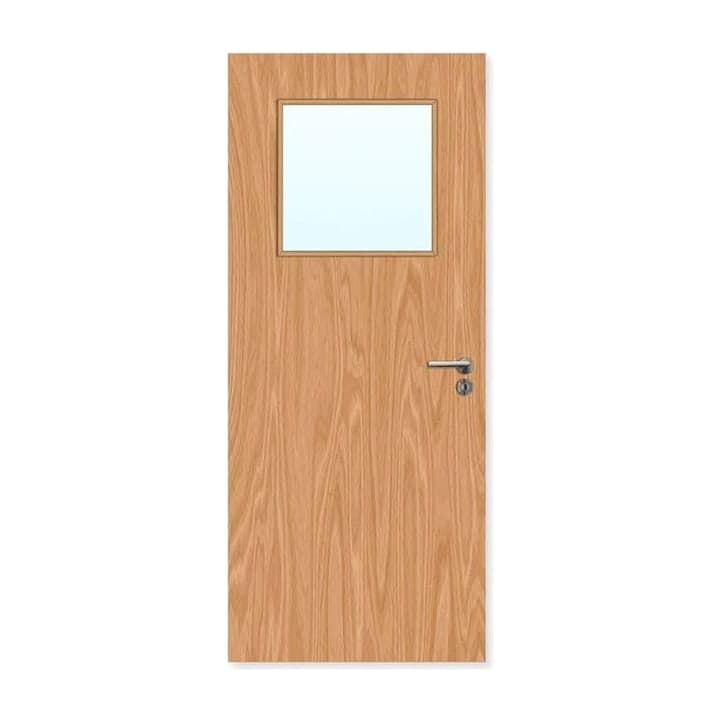
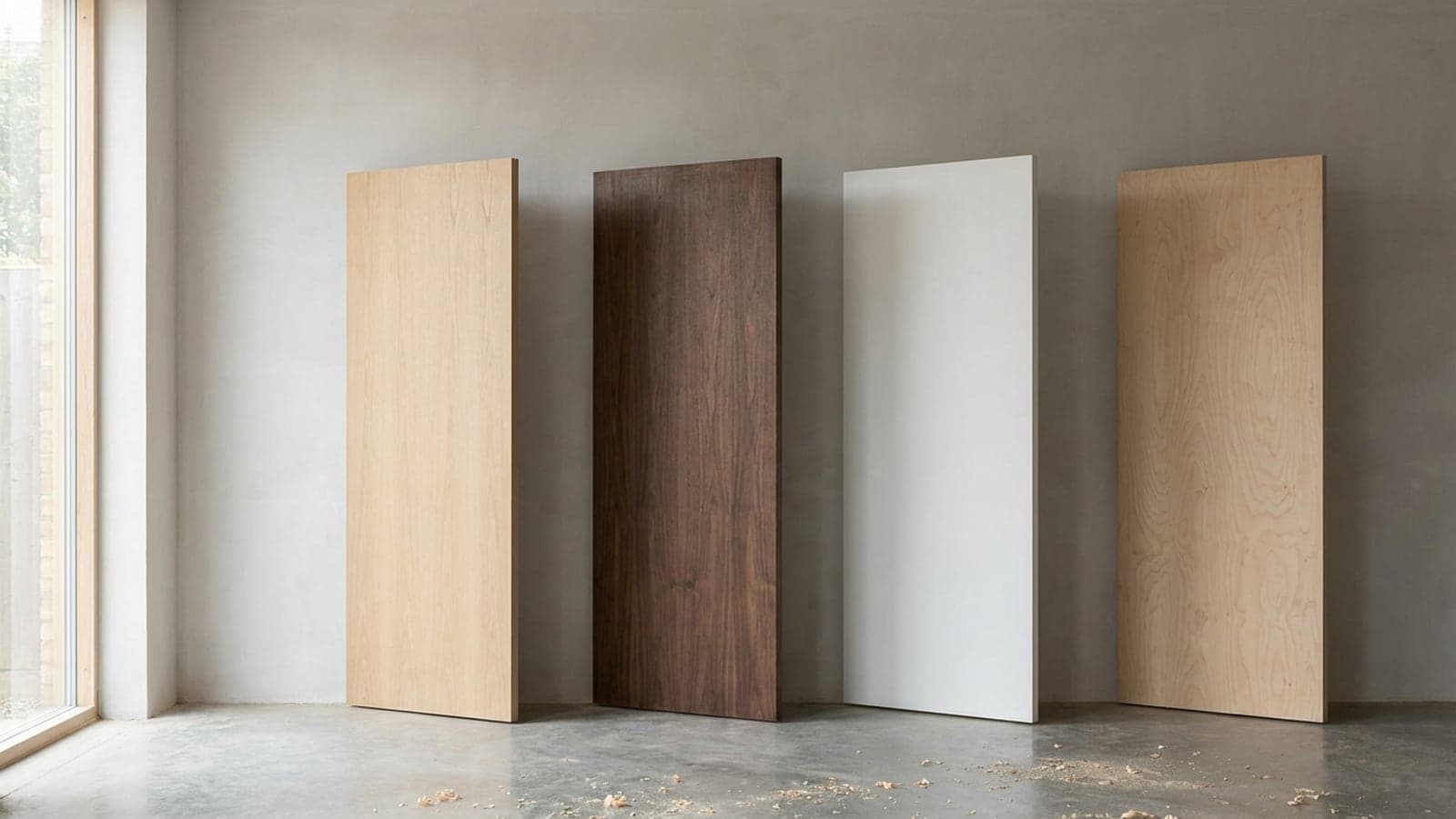
Finish is the next big lever. A paint grade flush door is the cheapest option because it's designed to be decorated on site, a real wood veneer such as oak or walnut adds material and labour cost, and a fully hardwood lipped door with a factory-finished lacquer sits at the top of the range. Glazing changes the picture again, because you're no longer just paying for the leaf — you're paying for certified fire-rated glass, hardwood beading, and the intumescent gaskets that seal the glazing aperture under fire conditions. The frame itself is usually quoted separately and frequently overlooked at the estimating stage, and ironmongery — hinges, closers, locks, latches, handles — is almost never included in a door leaf price by default.
Typical UK price ranges in 2026
As a working guide for 2026, a standard FD30 internal flush door leaf in paint grade sits around £150 to £300 ex VAT, with veneered and hardwood options climbing from there. A standard FD60 internal leaf generally runs £200 to £400 ex VAT depending on finish and core specification. External FD30 doorsets, which have to handle weather as well as fire, start from around £400 ex VAT and rise quickly once you factor in hardwood frames, weather seals and security ironmongery.
Glazed FD30 doors typically fall between £300 and £500 ex VAT, with the final figure driven mostly by the size and shape of the vision panel rather than the leaf itself. Made-to-measure construction adds roughly 30 to 60 percent over a stock-size equivalent, and timber fire door frames generally cost £80 to £150 ex VAT before you add architraves and intumescent seals. One honest warning worth making: a sub-£100 "fire door" from a high-street DIY shed is rarely supplied with the independent third-party certification evidence needed for a compliant installation under Approved Document B, and fitting one into a legally required fire door opening is a false economy you don't want on your conscience or your paperwork.
The hidden costs people miss
VAT is the first thing that catches end users out. All the figures above are quoted ex VAT because trade customers reclaim it, but a private landlord, leaseholder or homeowner is paying the full 20 percent on top, which on a £400 door is £80 you may not have budgeted for. UK mainland delivery for fire doors is typically a flat rate of £100 to £150 because these are heavy, oversized items that can't go through standard parcel networks, and remote postcodes often carry a surcharge on top of that.
Ironmongery is where budgets quietly fall apart. A compliant fire door needs CE or UKCA marked hinges rated for the door weight, an overhead closer, a lock or latch, handles or lever sets, and often an intumescent hinge pad kit, and the combined hardware bill frequently adds £150 to £300 per door before anything is fitted. Installation by a competent person — ideally a BM TRADA, FIRAS or similar scheme installer — typically runs £150 to £300 per door depending on region, complexity and whether the frame is being replaced. Finally, don't forget the ongoing inspection regime required under the Building Safety Act 2022 and the Regulatory Reform (Fire Safety) Order: quarterly inspections in higher-risk residential buildings and annual checks in most commercial settings are a real cost of ownership, not an optional extra.
Cheap vs proper — why the gap exists
The gap between a £90 door and a £290 door isn't markup. It's certification, evidence and accountability. A properly specified fire door comes with a traceable third-party certification reference — BM TRADA Q-Mark, Certifire or equivalent — linking that exact door construction to a tested assembly that passed BS 476 Part 22 or BS EN 1634-1 under controlled conditions. An unbranded door may look identical, may even perform acceptably in theory, but without independent test evidence it cannot lawfully be used where a fire resisting door is required by Approved Document B, and the liability for specifying it sits squarely on whoever signed it off.
This matters more than ever post-Grenfell. The Building Safety Act 2022 has sharpened personal responsibility for duty holders, and "we bought the cheapest one we could find" is not a defence any solicitor will relish. When you compare the total cost of ownership across a ten-year inspection regime — replacement of failed components, remedial works flagged by inspectors, potential enforcement action on uncertified product — the upfront saving on an unbranded door evaporates quickly, and often turns into a net loss once you factor in the cost of ripping it out and starting again.
Getting a fair price
The practical advice is simple but rarely followed: insist on an itemised quotation that separates the door leaf, the frame, the ironmongery schedule, delivery and VAT into distinct lines so you can see exactly what you're paying for and compare suppliers on equal terms. Ask for the third-party certification reference in writing before you order, not after, and make sure it covers the specific door configuration you're buying rather than a generic product family. Budget for the full assembly — leaf, frame, seals, glazing, hardware, delivery, installation — not just the headline figure on the leaf, and build in a contingency for the inspection and maintenance obligations that come with ownership. When you're ready to get real numbers against a real specification, request a quotation and we'll put together a line-by-line breakdown so you know precisely where every pound is going.
Related products
Fire doors for this job
Read next

About the author
Fire Door Range team
We supply certified FD30 and FD60 fire doors to landlords, contractors and housing providers across the UK. Every door is third-party tested to BS 476 Part 22 and BS EN 1634-1 with full Declarations of Performance, and our sister company C&C Fire Prevention Ltd handles FIRAS / BM TRADA certified installation. We write about the standards, regulations and practical decisions that shape day-to-day fire door specification — to help you get the right doors, fitted correctly, first time.
Looking for Fire Doors?
Browse our certified range of FD30 and FD60 fire doors.