 Prestige Awards 2025/26 Winner
The Critical Role of Fire Doors in Passive Fire Protection Systems
 Fire Door Range team·6 min read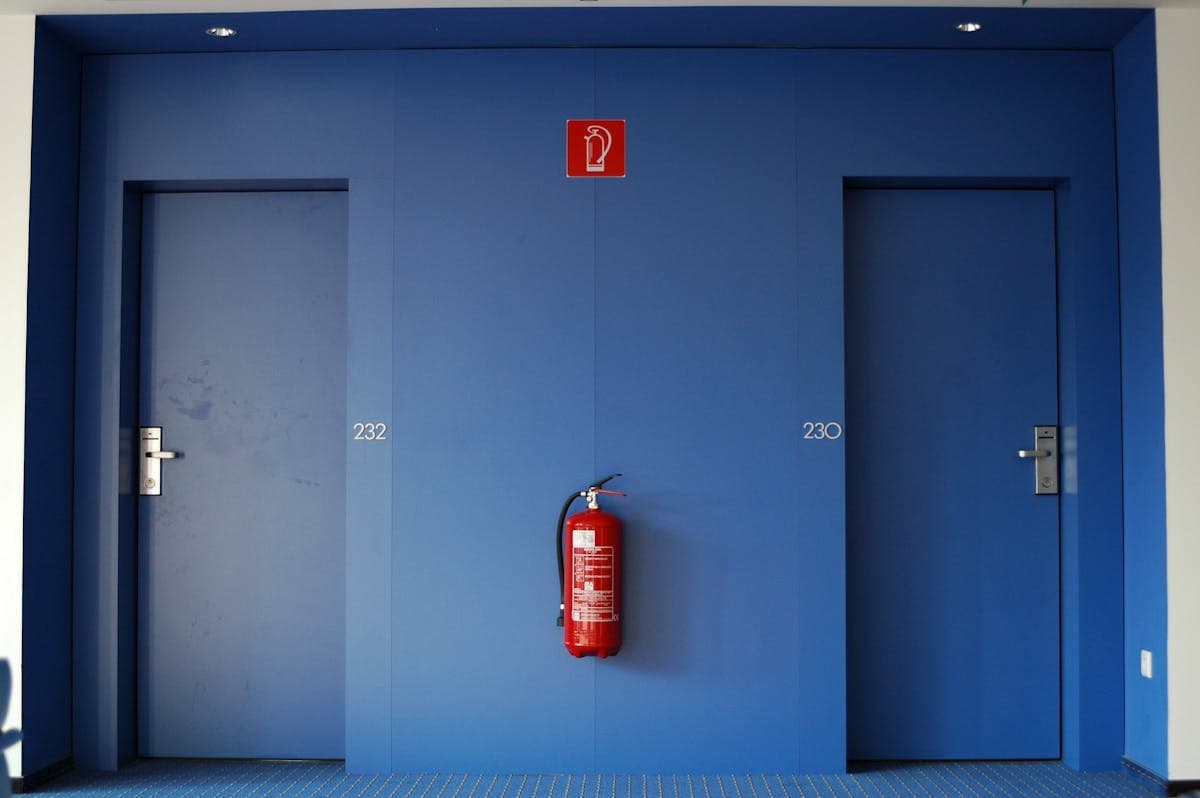
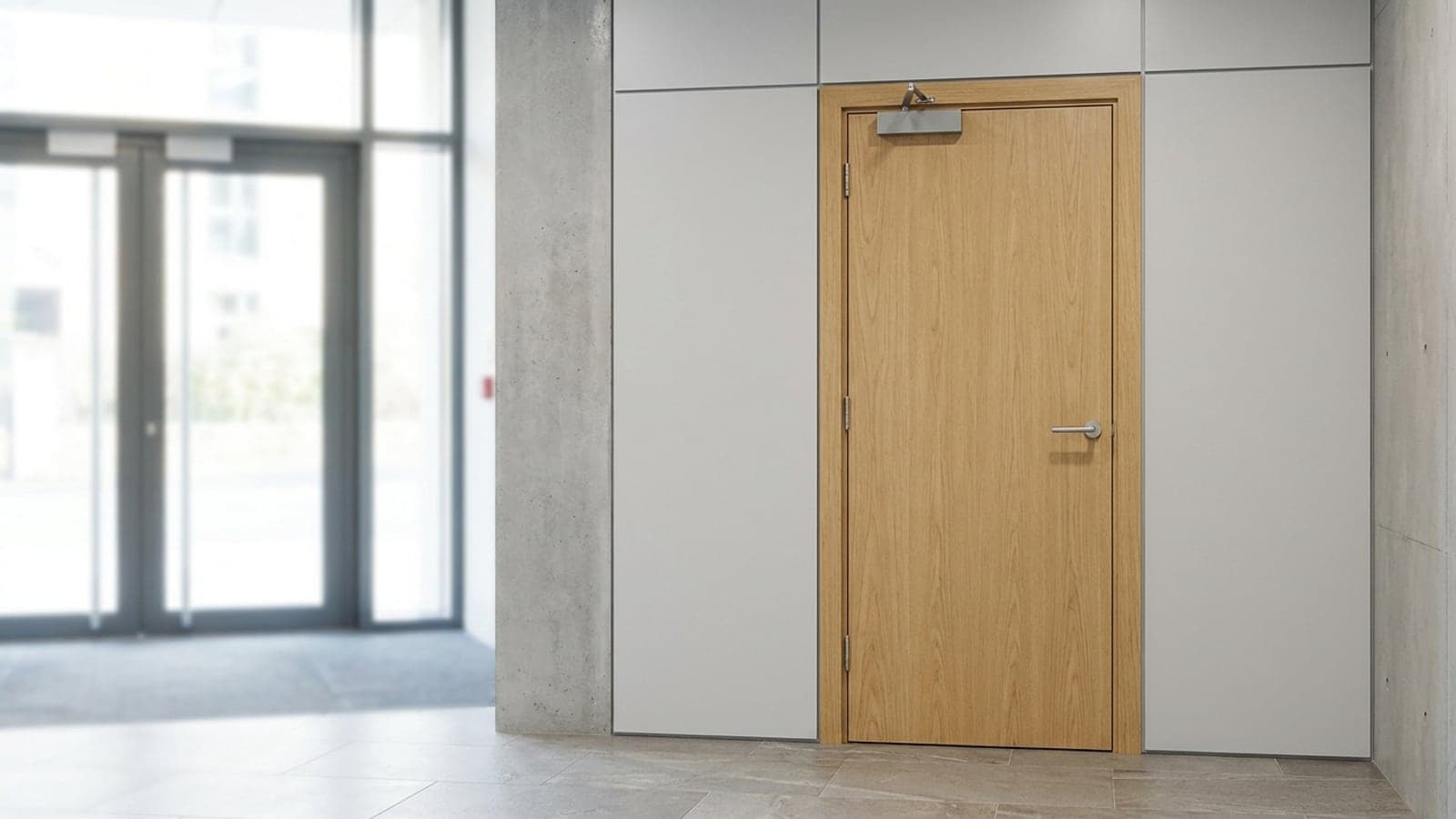
Passive fire protection (PFP) encompasses all the built-in features of a building that contain fire and limit its spread without requiring activation or human intervention. This includes fire-resistant walls, floors, and ceilings that create compartments, as well as fire stopping around service penetrations. Fire doors are a unique element within this system because they are the only component of compartmentation that moves — they must open for everyday use yet close reliably when a fire occurs.
A properly installed and maintained fire door acts as a barrier that holds back fire and hot gases for a specified period, typically 30 or 60 minutes. This compartmentation is fundamental to the "stay put" strategy used in blocks of flats, where residents in unaffected areas are advised to remain in their homes while the fire service tackles the blaze. The Grenfell Tower Inquiry highlighted the catastrophic consequences when compartmentation fails, leading to significant regulatory reform including the Fire Safety Act 2021 and the Building Safety Act 2022.
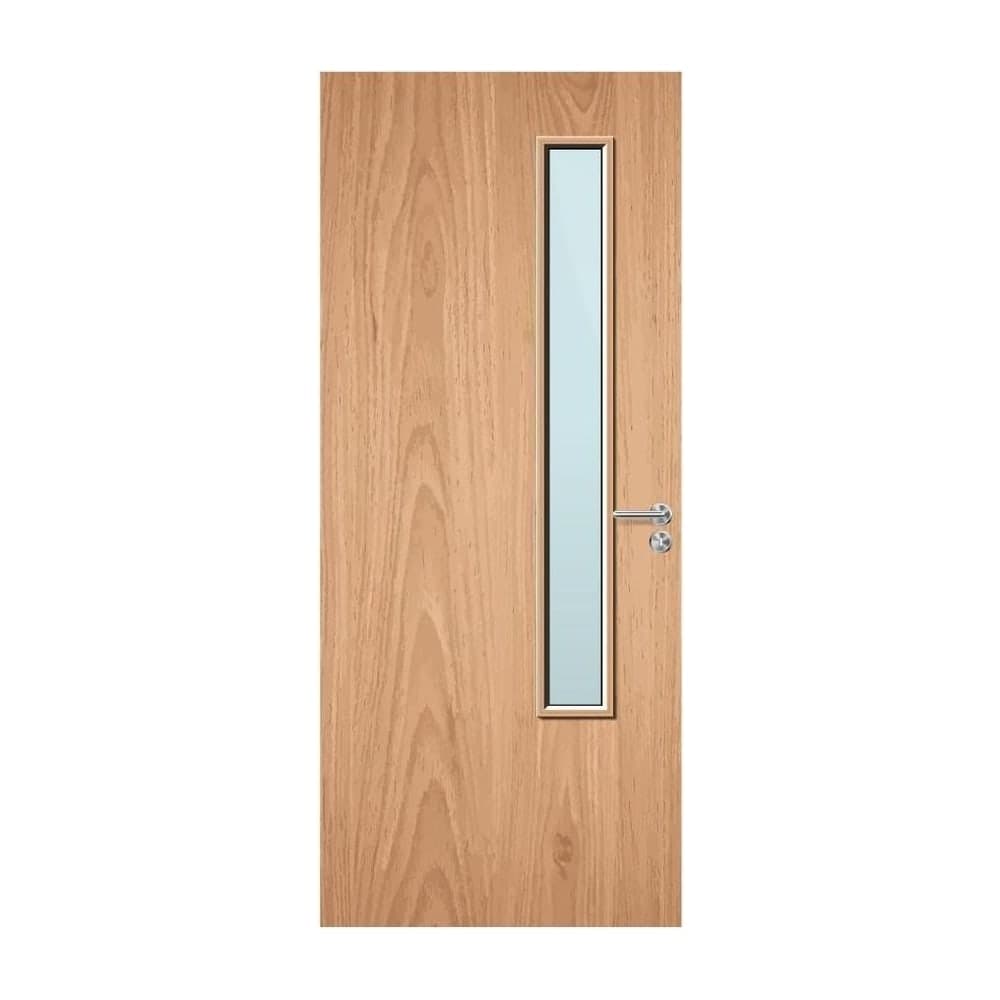
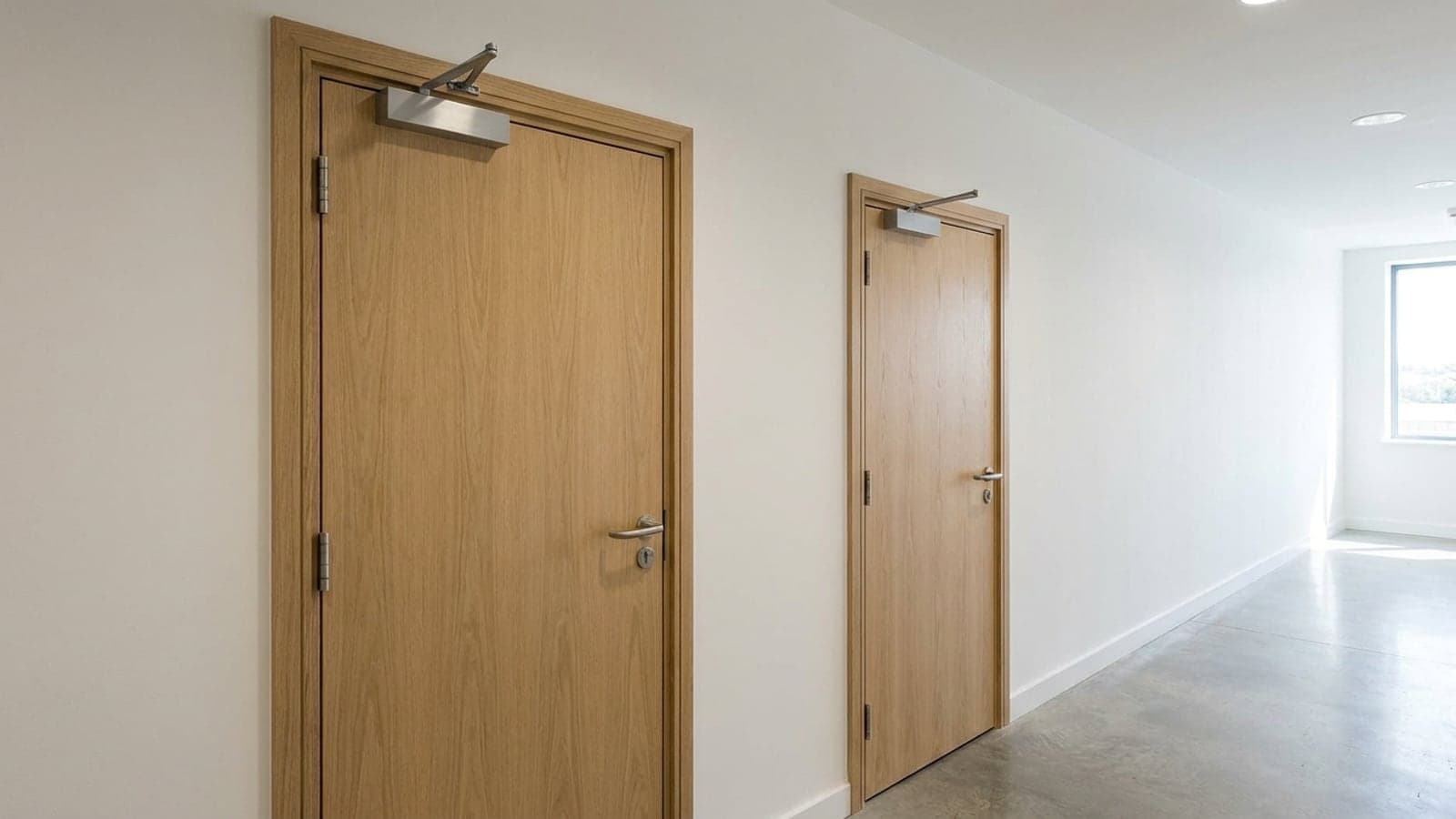
For fire doors to fulfil their role, they must be viewed as a complete assembly — the door leaf, frame, intumescent seals, smoke seals, hinges, closer, and any glazing all contribute to the door's fire performance. Substituting any component with a non-certified alternative, or failing to maintain the assembly, can void the certification entirely. Specifiers and building managers should always refer to the door manufacturer's data sheet and ensure that any ironmongery used has been tested in combination with the specific door type.
Related products
Fire doors for this job
Read next
About the author
Fire Door Range team
We supply certified FD30 and FD60 fire doors to landlords, contractors and housing providers across the UK. Every door is third-party tested to BS 476 Part 22 and BS EN 1634-1 with full Declarations of Performance, and our sister company C&C Fire Prevention Ltd handles FIRAS / BM TRADA certified installation. We write about the standards, regulations and practical decisions that shape day-to-day fire door specification — to help you get the right doors, fitted correctly, first time.
Looking for Fire Doors?
Browse our certified range of FD30 and FD60 fire doors.