 Prestige Awards 2025/26 Winner
FD60 External Fire Doors: A Smart Investment for Safety
 Fire Door Range team·5 min read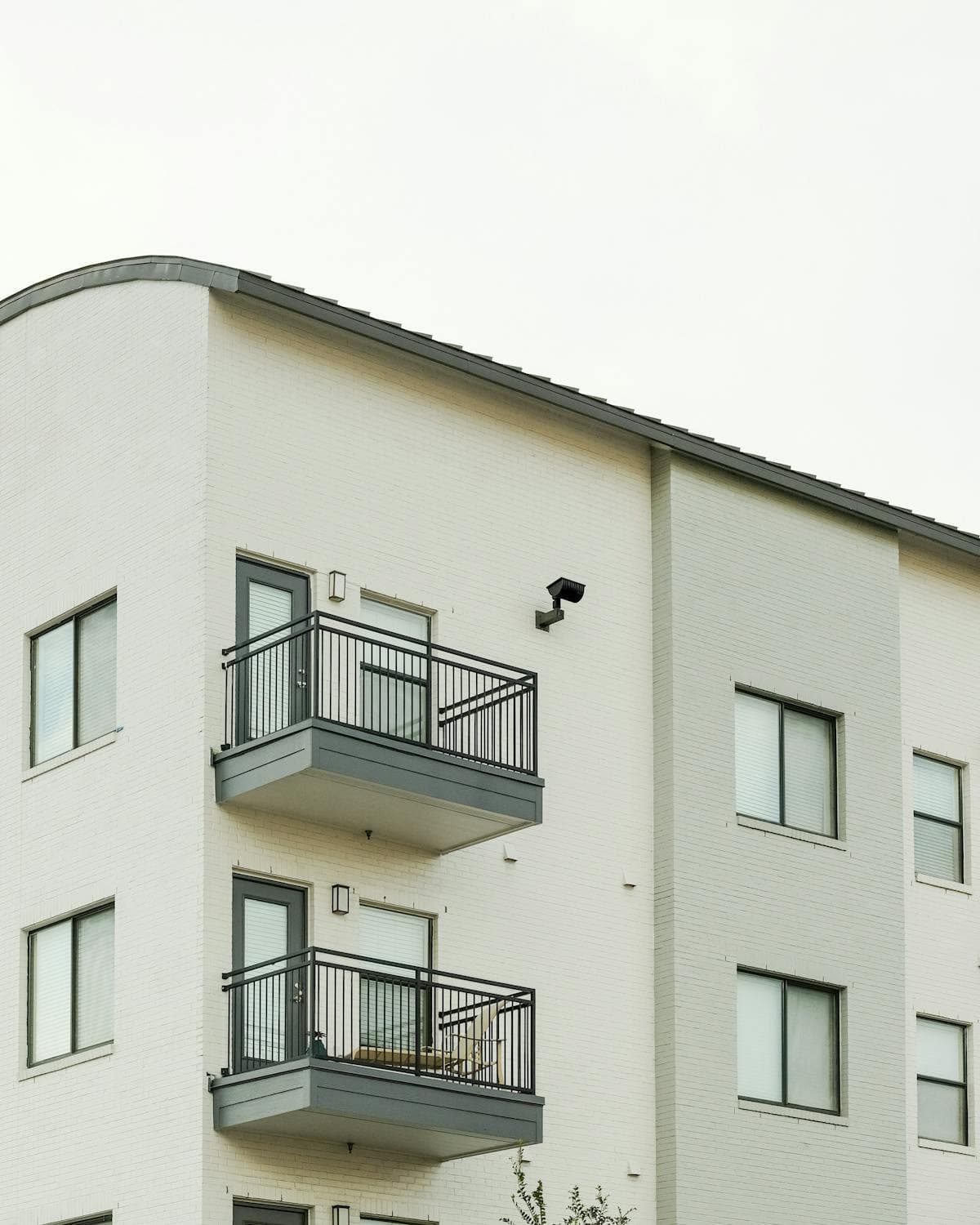
When specifying fire doors for external openings, the choice between FD30 and FD60 often comes down to the building's fire strategy and the level of risk. FD60 doors, which provide a full 60 minutes of fire integrity, are increasingly being specified for external applications where the consequences of fire spread are severe — for example, doors opening onto shared escape routes, doors between adjoining commercial units, or doors in buildings where the fire service response time may be extended.
The construction of an FD60 door differs significantly from an FD30. The core is typically denser and thicker (54mm versus 44mm), intumescent seals are more substantial, and the door leaf is heavier. This means that the frame, hinges, and closer must also be rated to FD60 standard — upgrading just the door leaf without upgrading the supporting hardware will not achieve the required performance. For external doors, additional weather protection such as a canopy or recess is recommended to prolong the life of the intumescent seals and the door finish.
From a cost perspective, FD60 doors typically carry a 30-50% premium over their FD30 equivalents. However, for building owners and insurers, the additional investment is often justified by the reduced risk of fire spread and the potential for lower insurance premiums. In some cases, specifying FD60 throughout a building simplifies the fire strategy and reduces the risk of incorrect doors being installed in the wrong locations — a common compliance issue identified during fire risk assessments.
FAQ
Frequently asked questions
What is the difference between an FD30 and an FD60 fire door?
An FD30 door is rated to resist fire for around 30 minutes, while an FD60 is rated for around 60 minutes when tested to BS 476-22 or BS EN 1634-1. FD60 leaves are usually thicker (often about 54mm versus 44mm for FD30) and the choice between them should be driven by your fire risk assessment and the level of protection the location demands.
Are FD60 external fire doors a legal requirement for my building?
There is no blanket law saying every external door must be FD60; the required rating is set by your fire risk assessment, Approved Document B guidance, and the building's use and height. Higher-risk situations and certain protected routes can justify FD60 over the more common FD30, so confirm the specification with a competent fire risk assessor before buying.
How often do FD60 fire doors need to be inspected?
Under the Fire Safety (England) Regulations 2022, in multi-occupied residential buildings over 11 metres tall the responsible person must carry out quarterly checks on communal fire doors and annual checks on flat entrance doors, on a best-endeavours basis. Owners and landlords should also keep a maintenance record, as seals, gaps, and self-closers can fail over time even on a well-made FD60 door.
What certification should I look for when buying an FD60 fire door?
Look for third-party certification such as Certifire, BM TRADA Q-Mark, or IFC, which independently verifies that the doorset and its components perform as tested and are made to a consistent standard. This gives specifiers and landlords stronger evidence of compliance than a manufacturer's self-declaration alone.
Does an FD60 fire door need special seals and hinges to perform?
Yes; an FD60 door only achieves its rating as a complete doorset, including intumescent strips that expand in heat to seal the gap and, where it protects an escape route, cold smoke seals. Ironmongery must also be fire-rated and compatible, with CE or UKCA marked hinges tested to BS EN 1935, so fitting non-approved components can invalidate the door's certification.
How much do FD60 external fire doors typically cost?
Prices vary widely with size, glazing, finish, frame, and ironmongery, so treat any figure as indicative; a certified FD60 doorset typically costs more than an FD30 because of the heavier leaf and upgraded hardware. Always budget for professional installation as well, since even a high-quality FD60 door will not perform as tested if it is fitted incorrectly.
Related products
Fire doors for this job
Read next
About the author
Fire Door Range team
We supply certified FD30 and FD60 fire doors to landlords, contractors and housing providers across the UK. Every door is third-party tested to BS 476 Part 22 and BS EN 1634-1 with full Declarations of Performance, and our sister company C&C Fire Prevention Ltd handles FIRAS / BM TRADA certified installation. We write about the standards, regulations and practical decisions that shape day-to-day fire door specification — to help you get the right doors, fitted correctly, first time.
Looking for Fire Doors?
Browse our certified range of FD30 and FD60 fire doors.