 Prestige Awards 2025/26 Winner
Glazed Fire Doors: Combining Light and Safety
 Fire Door Range team·7 min read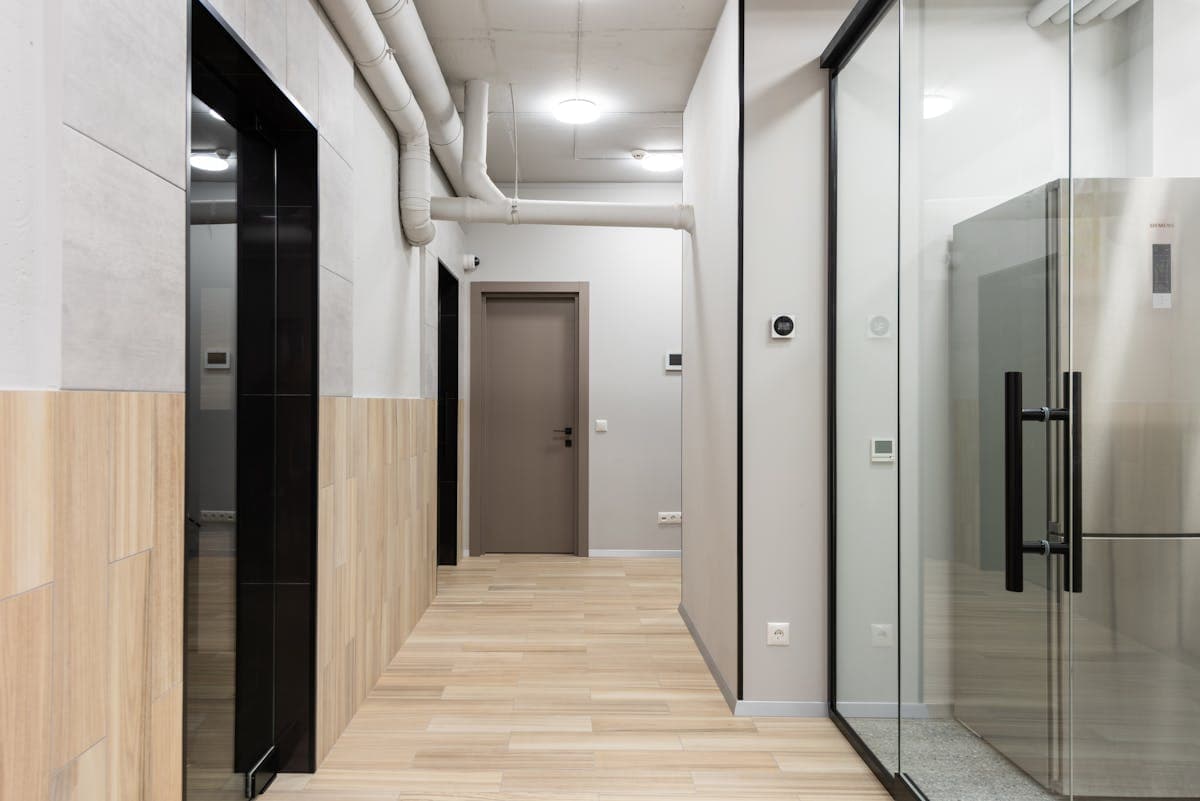
Glazed fire doors are one of the most versatile products in the fire door market. They allow architects and designers to maintain sight lines, bring natural light into corridors and stairwells, and create a sense of openness — all while providing the same level of fire resistance as a solid door. The key is understanding the different types of fire-rated glass and how they interact with the door assembly as a whole.
Types of Fire-Rated Glass
There are three main categories of fire-rated glass. Wired glass (Georgian wired) is the traditional option — it contains a wire mesh that holds the glass in place when it cracks under heat. It achieves integrity-only ratings and is relatively inexpensive, but it is visually dated and offers limited impact resistance. Borosilicate glass is a clear, unwired option that provides integrity protection by resisting thermal shock. It offers a much cleaner aesthetic than wired glass and is commonly used in FD30 applications.
The third category is intumescent-laminated glass, which consists of multiple layers of glass bonded with intumescent interlayers. When exposed to fire, the interlayers expand to form an opaque, insulating barrier. This type of glass can achieve both integrity and insulation ratings, making it suitable for locations where radiated heat on the non-fire side must be limited — for example, in escape routes where people will pass close to the door. It is the most expensive option but offers the highest performance.
Specification Considerations
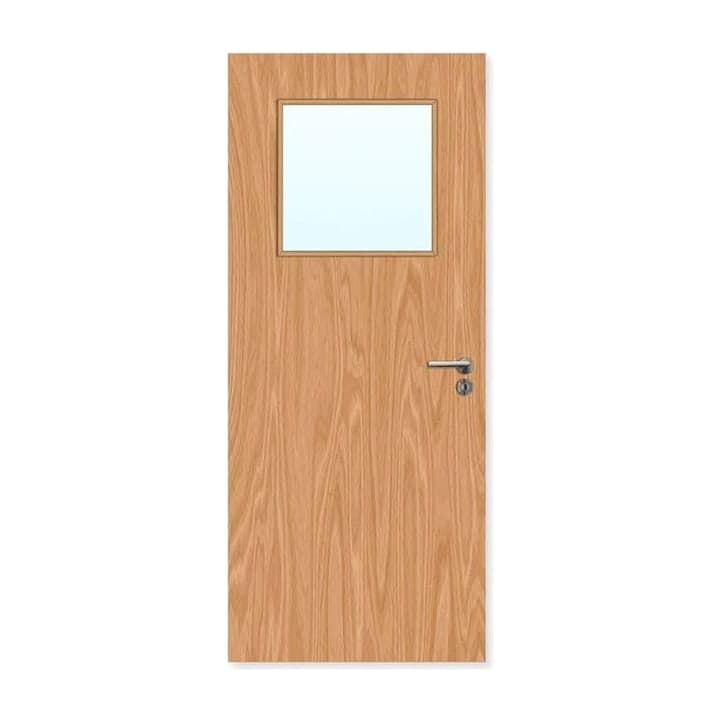
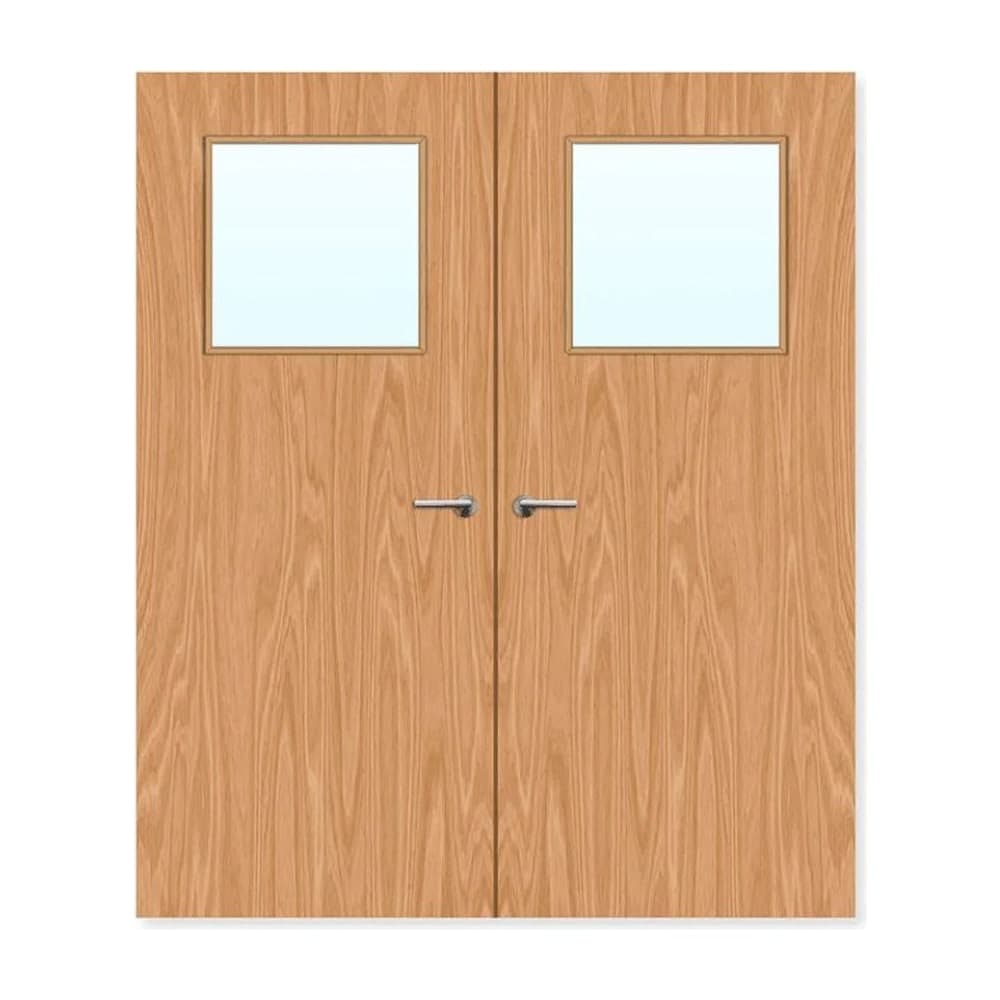
The size and position of the glazed aperture must match the manufacturer's tested configuration. A door tested with a single rectangular vision panel cannot simply have a larger or differently shaped aperture cut into it. The glazing beads — the timber or steel sections that hold the glass in place — must be fire-rated and fitted with intumescent gaskets. Using standard timber beading is a common and dangerous shortcut that voids the door's certification entirely.
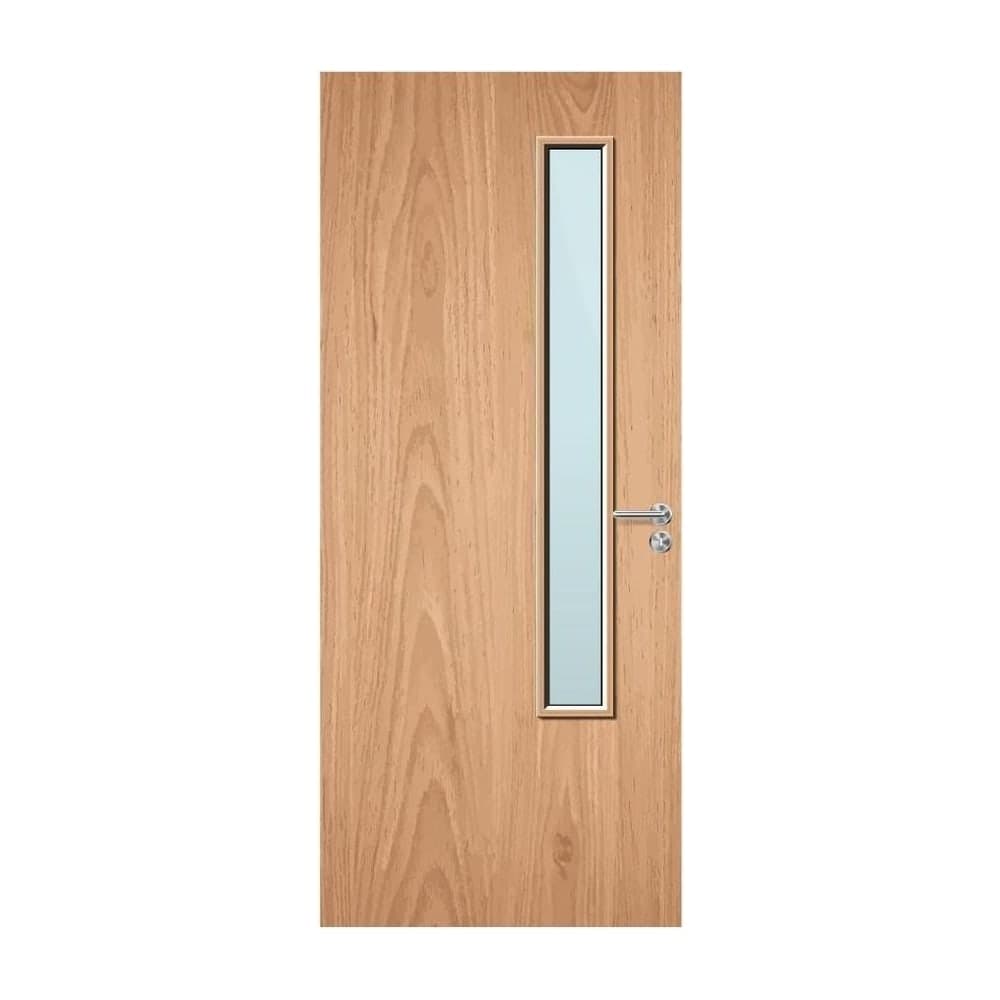
When specifying glazed fire doors, consider the building's fire strategy, the door's location, and the amount of glass area required. Fully glazed doors (with glass from near the bottom rail to near the top) are available in FD30 and FD60 ratings, but the glass type and bead system must be carefully matched. For corridors and lobbies, glazed fire doors are an excellent way to combine fire safety with a welcoming, well-lit environment. Always confirm that the complete assembly — leaf, glass, beads, seals, and hardware — has been tested together and is covered by the manufacturer's certification.
FAQ
Frequently asked questions
Can a fire door have glass and still be a certified FD30 or FD60 fire door?
Yes. A glazed door keeps its FD30 or FD60 rating only when the glass type, aperture size and shape, glazing beads, intumescent seals and fixings exactly match the configuration the doorset was tested and certified to under BS 476-22 or BS EN 1634-1. The glazed vision panel must be covered by the doorset's own test evidence, not added in isolation.
What do E, EW and EI mean on fire-rated glass for doors?
Under the European classification system (BS EN 13501-2), E means integrity, holding back flames and hot gases for the rated period; EW adds a limit on radiated heat; and EI adds insulation, keeping the unexposed surface cool enough to slow heat transfer and protect escaping occupants. Specifiers should match the glass class and the time period (for example EI30 or EI60) to what the fire risk assessment and Approved Document B require for that location.
Can I cut a hole and fit a glazed vision panel into an existing fire door?
No, not on a generic basis. Cutting a new aperture into a completed fire door voids its certification, because the door was only tested as a solid leaf; you would need a door manufacturer or third-party-certified glazing kit specifically approved for retrofit into that exact door, installed strictly to its instructions. If no certified retrofit route exists, replacing the leaf with a factory-glazed certified doorset is the compliant option.
Is wired Georgian glass still required for glazed fire doors?
No. Traditional Georgian wired glass is no longer necessary because modern clear fire-rated glass products achieve E, EW and EI ratings while letting through full daylight. The deciding factor is that the glass and the whole glazing system are certified within the doorset, not whether the glass contains wire.
Why can FD60 glazed doors have stricter glass limits than FD30?
A 60-minute fire exposure puts much higher thermal stress on the glass and surrounding seals than 30 minutes, so test evidence for FD60 doorsets often permits smaller or fewer vision panels and specific glass types. Always work within the maximum pane sizes and configurations stated in that particular doorset's certification rather than assuming an FD30 detail will pass at FD60.
Will the BS 476 to BS EN 1634-1 changeover affect glazed fire doors I buy now?
In England, evidence based on BS 476-22 testing will no longer be accepted as proof of Building Regulations compliance for fire doors from September 2029, with classification moving to the European system (BS EN 13501-2, tested to BS EN 1634-1). When buying glazed doorsets now, it is sensible to favour products that already hold third-party EN-based certification (such as Certifire, BM TRADA Q-Mark or IFC) so they remain demonstrably compliant after that date.
Related products
Fire doors for this job
Read next
About the author
Fire Door Range team
We supply certified FD30 and FD60 fire doors to landlords, contractors and housing providers across the UK. Every door is third-party tested to BS 476 Part 22 and BS EN 1634-1 with full Declarations of Performance, and our sister company C&C Fire Prevention Ltd handles FIRAS / BM TRADA certified installation. We write about the standards, regulations and practical decisions that shape day-to-day fire door specification — to help you get the right doors, fitted correctly, first time.
Looking for Fire Doors?
Browse our certified range of FD30 and FD60 fire doors.